How to Grow Your Hair Faster By Protecting Every Inch
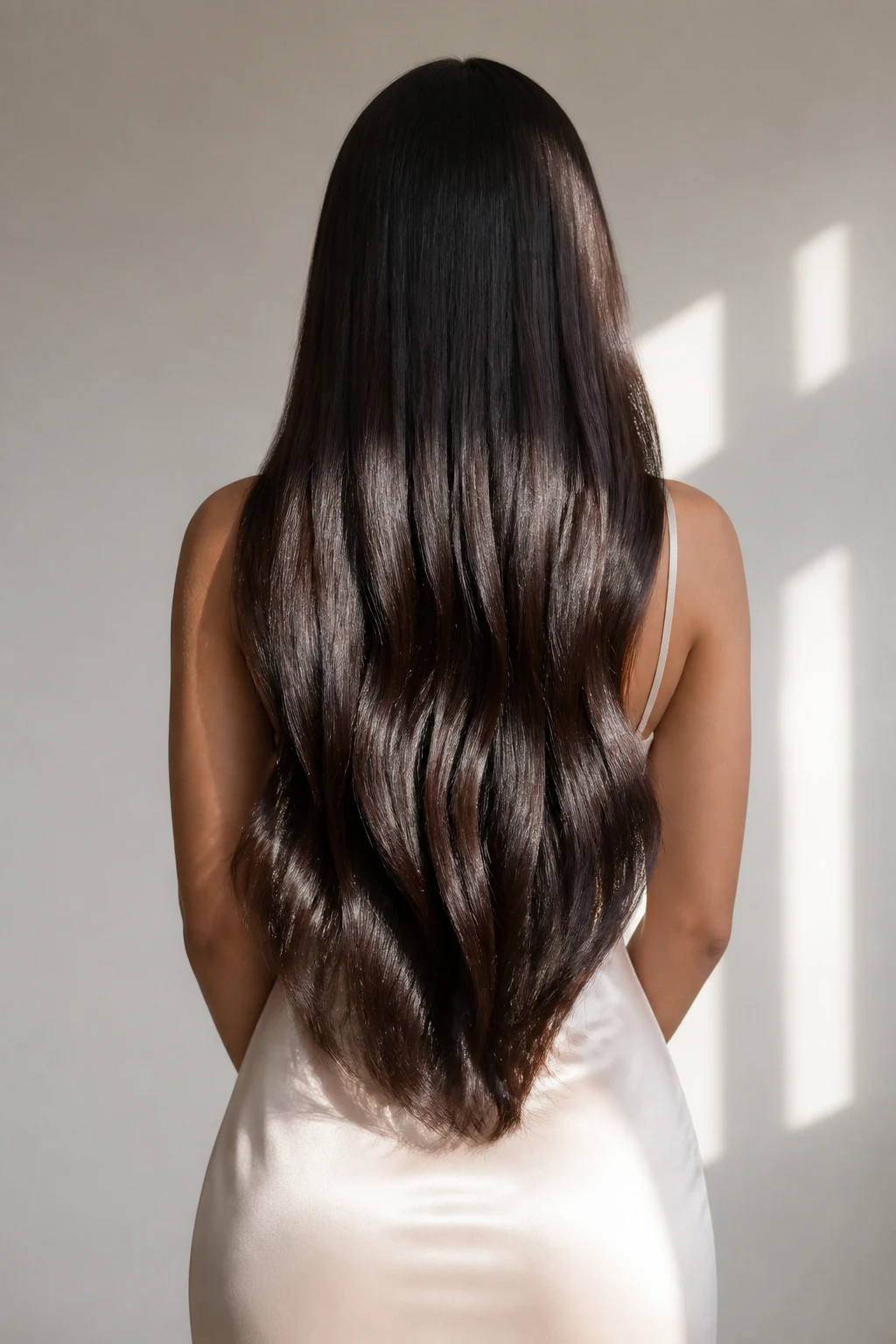
Hair can seem stuck when the ends quietly break away.
You May Also Love
Learning how to grow your hair faster starts with keeping new length intact.
Gentle handling, sensible heat, and scalp care matter more than frantic product collecting.
Here are the practical habits I would actually follow.
1- Spot Breakage At The Ends
Short, uneven tips often signal breakage rather than slow growth.
Look for tiny splits, pale dots, roughness, and thinning ends.
A blunt trim can prevent fragile splits from traveling upward.
Check the last few inches
- Fine-tooth inspection comb
- Clean haircutting scissors
- Lightweight leave-in conditioner
2- Lower The Temperature You Reach For
Very hot tools remove moisture and weaken the hair surface.
Choose the lowest setting that still shapes your desired style.
Thick hair may need more warmth, while fine hair usually needs less.
Less heat, fewer weak spots
- Adjustable-temperature dryer
- Wide ceramic styling brush
- Heat-resistant comb
3- Why Length Usually Gets Lost Before It Gets Seen
Hair grows from the scalp, but length disappears at damaged ends.
Repeated friction can erase several months of visible progress.
Protecting the oldest sections makes growth easier to notice.
Keep the fragile parts covered
- Silk-touch scarf
- Soft cotton scrunchie
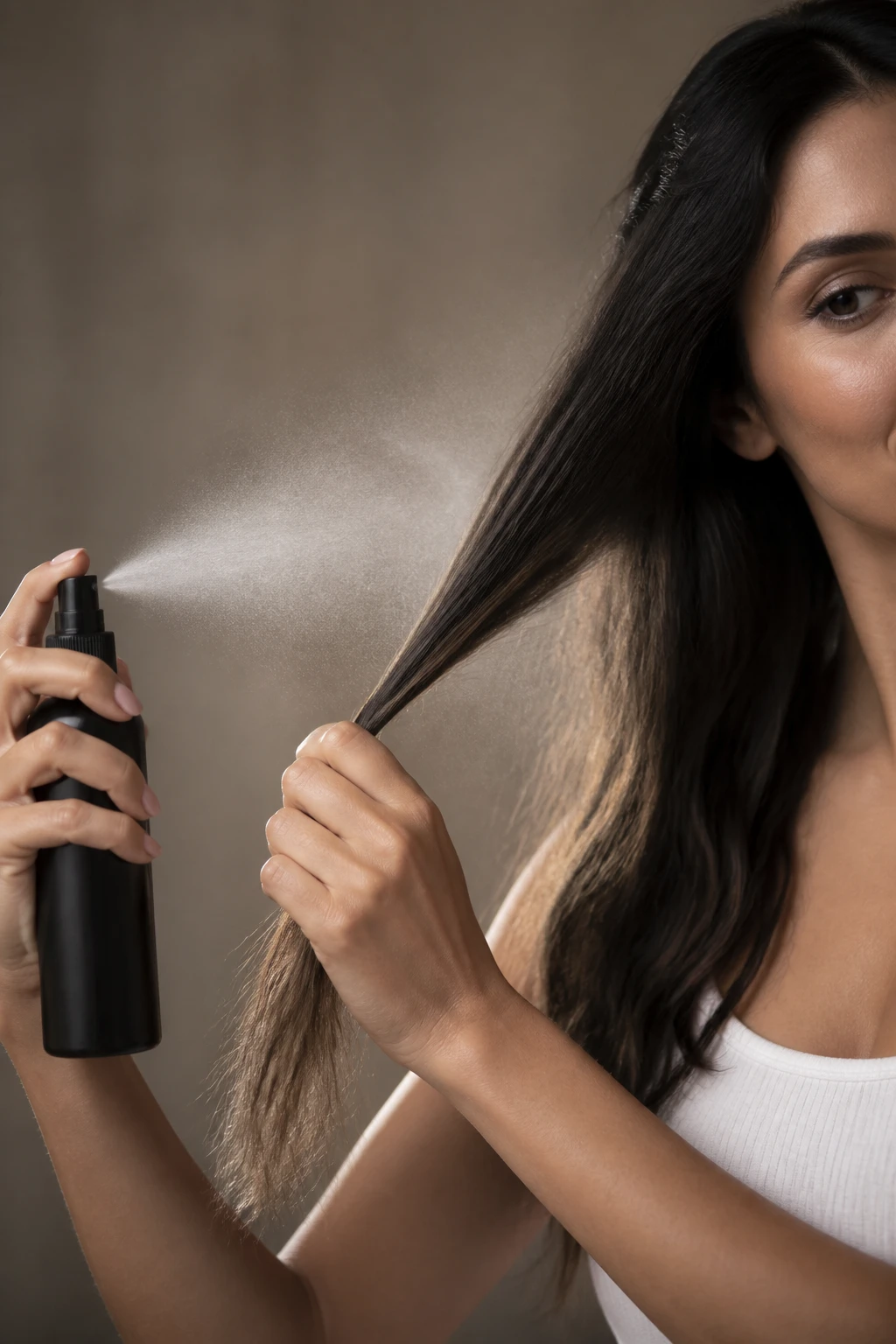
- Detangling spray
4- Wash With Less Friction
Scrubbing lengths aggressively can create tangles and unnecessary snapping.
Massage shampoo into the scalp, then let the rinse clean the ends.
Keep your hands flat and your movements small.
Clean roots, calmer lengths
- Gentle liquid shampoo
- Silicone scalp massager
- Microfiber hair towel
5- Put Conditioner In Before The Comb
Conditioner gives strands slip before detangling begins.
Apply it from the ears downward, concentrating on the oldest hair.
Comb only after the product has softened the strands.
Slip makes a difference
- Moisturizing rinse-out conditioner
- Wide-tooth comb
- Sectioning clips
6- Use Treatment Only When The Scalp Is The Problem
Scalp treatments should address scalp concerns, not replace ordinary hair care.
Itching, persistent flakes, or soreness deserves careful attention.
Heavy oils may worsen buildup for some people.
Match care to the concern
- Fragrance-free scalp cleanser
- Soft applicator bottle
- Clean cotton headband
7- Protect Color-Treated Or Chemically-Treated Hair From Extra Heat Damage
Processed hair usually needs gentler handling because its surface is more vulnerable.
Use fewer hot passes and allow hair to dry partly first.
Rich conditioning helps, but it cannot erase existing structural damage.
Preserve the work already done
- Color-safe shampoo
- Bond-supporting conditioner
- Low-heat dryer
8- How fast can I actually grow my hair faster?
Hair growth happens gradually, so dramatic overnight changes are unrealistic.
Visible length depends on growth rate, breakage, trimming, and texture.
Focus on retaining what your scalp produces instead of chasing instant results.
Progress needs a longer view
- Monthly length photograph
- Soft measuring tape
- Simple hair journal
9- What This Changes
Small handling changes can leave your ends looking fuller over time.
You may notice fewer snapped hairs before you notice extra length.
That is useful progress, even when the mirror changes slowly.
Notice retention first
- Split-end checklist
- Gentle detangling brush
- Protective satin bonnet
10- Choose The Gentlest Way To Detangle
Detangling works best when you remove tension before pulling.
Start at the ends and slowly travel toward the roots.
Small sections reduce tugging, especially after washing.
Work upward patiently
- Flexible detangling brush
- Leave-in conditioning mist
- Four sectioning clips
11- Why does my hair seem to stop growing at the same length?
Repeated breakage can make hair appear capped at one familiar length.
Notice whether your ends look thinner than your roots.
Frequent tight styles, rough towels, and heat can all contribute.
Find the repeated stress
- Soft measuring tape
- Loose fabric hair ties
- End-conditioning cream
12- Add A Barrier Only When You Actually Use Heat
Heat protection is useful when a hot tool contacts your hair.
Apply a light, even layer rather than soaking every strand.
Follow the product directions because formulas vary considerably.
Use protection with purpose
- Heat-protective spray
- Sectioning comb
- Low-temperature flat iron
13- Make Heat Less Expensive
Heat becomes less damaging when exposure is shorter and more controlled.
Remove excess water first, then shape nearly dry hair.
One smooth pass is preferable to repeated corrections.
Prepare before styling
- Absorbent microfiber towel
- Concentrator dryer nozzle
- Large ceramic round brush
14- Do I need to stop using heat completely?
You do not necessarily need to abandon heat permanently.
Reducing frequency, lowering temperature, and protecting strands can help.
Air-drying partway gives your hair less time under direct warmth.
Choose moderation over panic
- Adjustable blow dryer
- Heat-protection lotion
- Claw hair clip
15- Set Expectations For Scalp-to-Ends Growth Timing
New growth begins at the scalp long before it reaches the ends.
Texture, styling habits, and breakage can change how quickly length shows.
Patience becomes easier when you measure consistently rather than daily.
Measure with calm consistency
- Monthly calendar
- Measuring tape
- Matching hair clips
16- Start With Lukewarm Water
Lukewarm water cleans comfortably without encouraging rough, over-dried lengths.
Trending Topics
22 Plus Size Christmas Outfit Ideas That Actually Work This SeasonThanksgiving Outfit Ideas15 Christmas Party Outfit Ideas for Every December Plan15 Cute Halloween Nails for Every Level of Spooky20+ Plus Size 90’s Outfit Ideas for a Retro LookVery hot showers can leave both scalp and hair feeling irritated.
A cooler final rinse is optional, not a magical requirement.
Comfort comes first
- Handheld shower head
- Gentle shampoo
- Absorbent hair towel
17- Is it bad to brush wet hair?
Wet hair stretches more easily, so rough brushing can cause snapping.
Some textures need damp detangling with conditioner and a suitable tool.
Blot first, add slip, and proceed in small sections.
Wet does not mean forbidden
- Wide-tooth comb
- Rinse-out conditioner
- Microfiber towel
18- Trim Split Ends Before They Climb Higher
Split ends cannot be repaired permanently once the fiber has separated.
A modest trim removes weakness while preserving most of your length.
Waiting too long may require cutting higher than planned.
Keep splits from traveling
- Professional haircutting shears
- Clean sectioning clips
- Lightweight smoothing serum
19- Should I oil my scalp if it feels dry or itchy?
Dryness and itchiness do not always mean your scalp needs oil.
Product residue, sensitivity, and flaking can feel surprisingly similar.
Choose a simple routine first and seek advice for persistent symptoms.
Investigate before layering
- Fragrance-free shampoo
- Clean scalp brush
- Soft cotton towel
20- Key Takeaways
Protecting existing length is the most practical growth strategy.
Gentle washing, careful detangling, and measured heat support that goal.
Simple routines are easier to repeat than complicated product schedules.
Keep the routine manageable
- Gentle shampoo
- Conditioning treatment
- Wide-tooth comb
21- What Hair Growth Can Do
Healthy routines can support stronger-looking length and calmer ends.
They cannot override every medical, hormonal, or nutritional concern.
Notice changes in shedding, density, and scalp comfort as well.
Look beyond the tape measure
- Hair journal
- Monthly photographs
- Gentle scalp cleanser
22- Spot The Difference Between Slow Growth And Hidden Breakage
Slow growth affects what emerges, while breakage affects what remains.
Short flyaways throughout the lengths may indicate snapping.
Uneven ends and rough texture offer useful clues too.
Read the ends carefully
- Bright inspection light
- Fine-tooth comb
- End-smoothing cream
23- Keep The Length You Already Earned
Length retention depends on reducing daily friction and tension.
Loose styles protect better than tight arrangements worn repeatedly.
Rotate your part and hairstyle when possible.
Preserve what is growing
- Fabric-covered hair ties
- Large claw clip
- Satin pillowcase
24- Reduce Pillow, Towel, and Elastic Damage
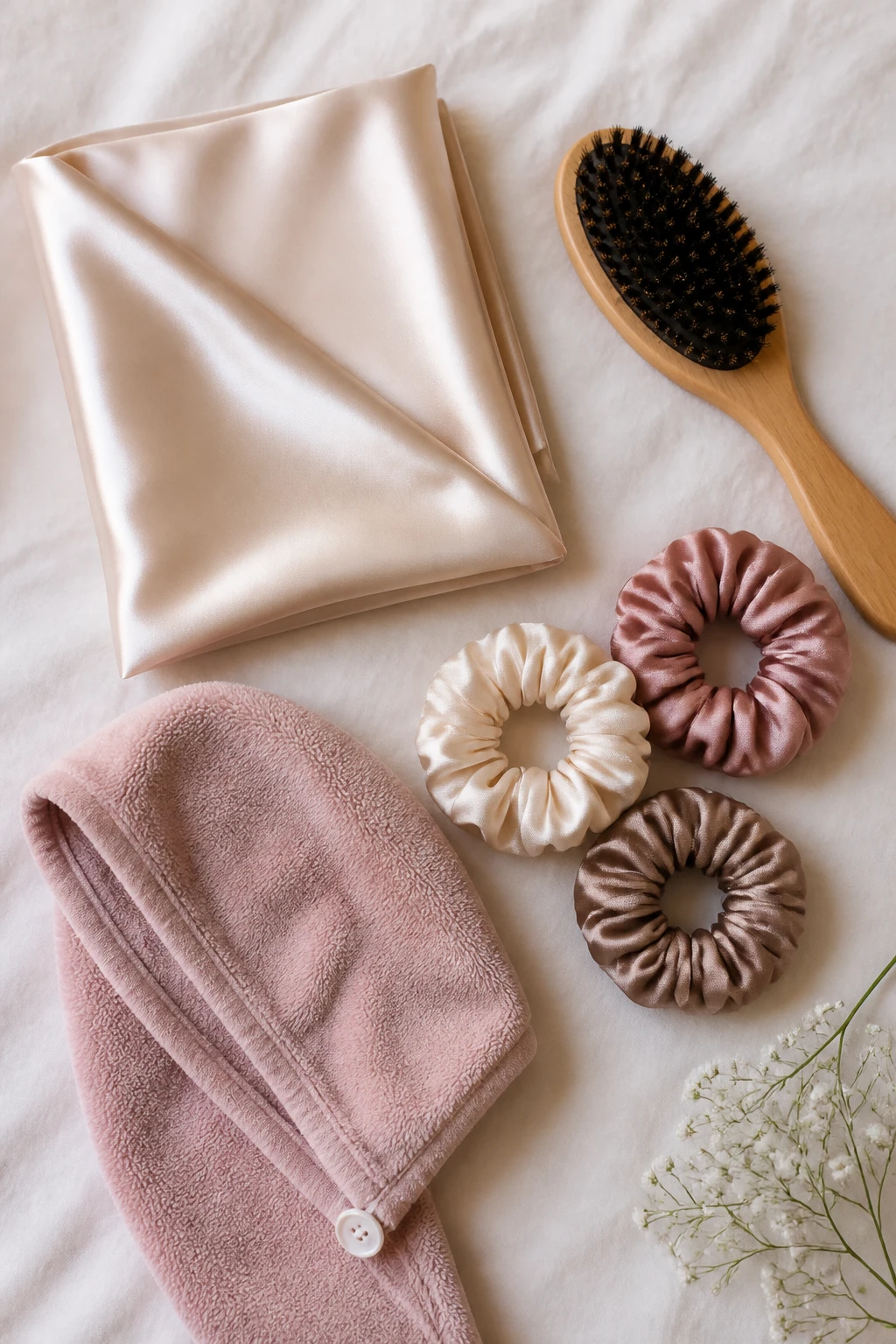
Rough surfaces can catch hair during sleep and drying.
Pat water away instead of twisting lengths inside a towel.
Choose elastics that release without pulling or snagging.
Small frictions add up
- Satin pillowcase
- Microfiber hair towel
- Seamless fabric scrunchie
25- The First Three Moves That Protect Growth This Week
Begin by lowering heat, detangling gently, and conditioning your ends.
These changes target common sources of preventable breakage.
Keep the experiment simple so you can identify what helps.
Start with repeatable habits
- Heat-protective spray
- Wide-tooth comb
- Rich rinse-out conditioner
26- Treat The Scalp Right
A comfortable scalp makes regular washing and gentle styling easier.
Cleanse according to oiliness, activity, and product use.
Avoid aggressive scratching, which can worsen tenderness and irritation.
Keep cleansing considerate
- Mild shampoo
- Soft silicone scalp brush
- Clean cotton towel
27- Reserve Heat For The Styles That Need It
Everyday hair does not need a polished hot-tool finish.
Loose braids, clips, and air-dried texture can reduce exposure.
Save higher effort styling for occasions where it matters.
Let ordinary days stay easy
- Large claw clip
- Soft fabric scrunchie
- Flexible styling cream
28- Separate Flakes From Buildup
Loose flakes may come from dryness, irritation, or scalp conditions.
Waxy residue can instead reflect styling product accumulation.
Changing products repeatedly can make the picture harder to read.
Observe before replacing everything
- Clarifying shampoo
- Gentle everyday cleanser
- Clean scalp comb
29- Calm Irritated Scalps Before Buying Growth Products
An irritated scalp needs a calm routine before extra formulas arrive.
Pause strongly fragranced products if they sting or worsen itching.
Persistent discomfort deserves professional guidance rather than endless trial and error.
Comfort is useful information
- Fragrance-free cleanser
- Soft cotton towel
- Simple wide-tooth comb
30- Know When Dandruff, Dryness, Or Product Buildup Needs Different Care
These concerns can look alike but may need different approaches.
Persistent flakes, soreness, or sudden shedding should not be ignored.
Understanding the difference keeps your how to grow your hair faster routine sensible.
Choose informed care
- Ingredient list notebook
- Gentle shampoo
- Scalp examination mirror
A Calmer Way To Keep Your Length
Hair growth becomes easier to assess when breakage is no longer hiding progress.
Keep your routine gentle, consistent, and realistic about timing.
The best plan is one your scalp and ends can tolerate repeatedly.
I am Sofia Bennett, the editor behind VFB Style and a mum of three. I share wearable outfit ideas, seasonal styling tips and practical fashion inspiration for real everyday life from real life fashion trends.