How To Get Rid Of Ingrown Hairs Safely
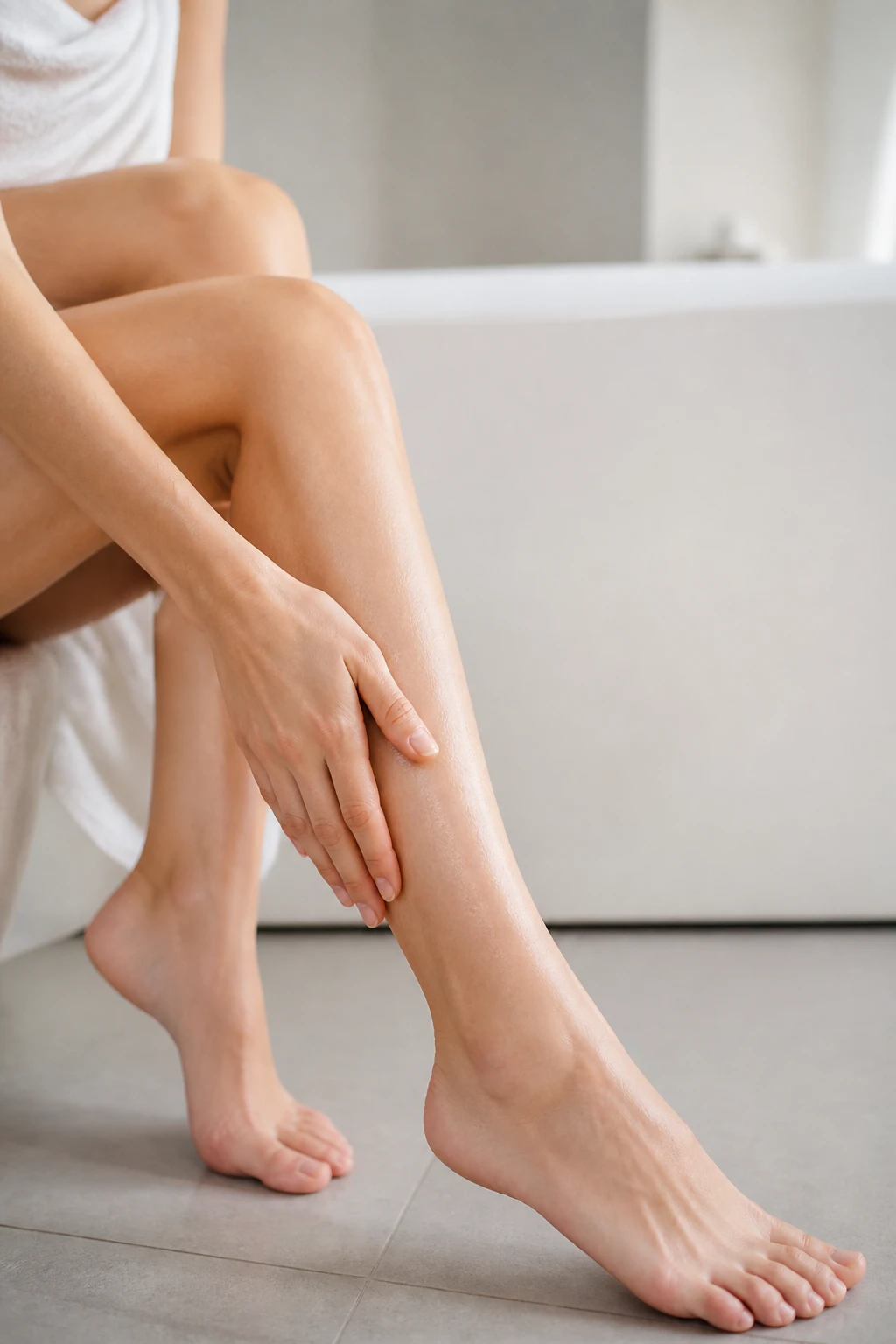
Ingrown hairs happen when a hair curls back or grows sideways into the skin instead of rising to the surface. The result is a small, sometimes tender bump that can look red or darkened.
You May Also Love
The good news: most clear up on their own with gentle care. This guide covers what actually helps, what to avoid, and when it is worth seeing a professional.
What an Ingrown Hair Actually Is
An ingrown hair is simply a strand that re-enters the skin rather than growing straight out. Your body treats it like a tiny irritant, which is why the area can swell, itch, or form a raised bump.
They are most common after shaving, waxing, or tweezing, and on areas with coarse or curly hair. Friction from tight clothing tends to make them worse.
Can You Really Get Rid of an Ingrown Hair Fast?
Honestly, not instantly. The bump is inflammation, and inflammation needs a little time to settle. What you can do is help it along gently and avoid the habits that drag healing out.
The single most important rule: do not dig, squeeze, or pick. That almost always causes more irritation, and it can lead to infection or scarring.
The Safe Step-by-Step Routine
If you remember one thing, let it be “gentle and patient.” Here is the simple routine dermatologists generally recommend for an ordinary ingrown hair.
| Step | What to do | Why it helps |
|---|---|---|
| 1. Pause removal | Stop shaving, waxing, or tweezing that spot until it calms down. | Removes the repeated trigger so skin can recover. |
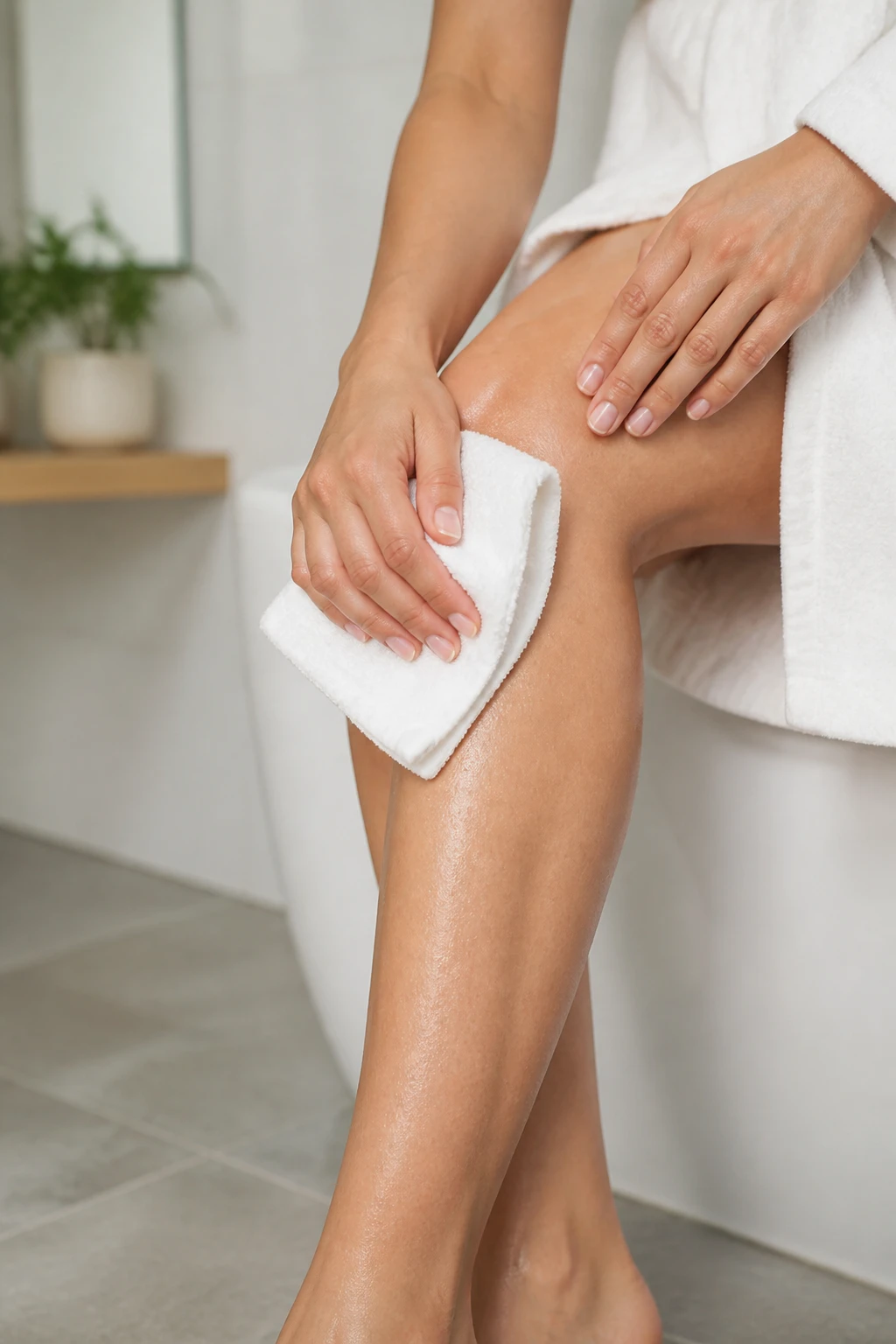
| 2. Warm compress | Hold a clean, warm washcloth to the area for about 10 minutes, a few times a day. | Softens the skin and helps the hair work its way out. |
| 3. Gentle exfoliation | Lightly exfoliate with a soft washcloth or mild scrub once the skin is not broken. | Clears dead skin over the trapped hair without scraping. |
| 4. Lift, do not dig | If the hair is clearly visible and loose, ease it out with sanitized tweezers. | Frees a surface hair without piercing or wounding skin. |
| 5. Soothe | Finish with a plain, fragrance-free moisturizer. | Calms irritation and keeps the skin barrier comfortable. |
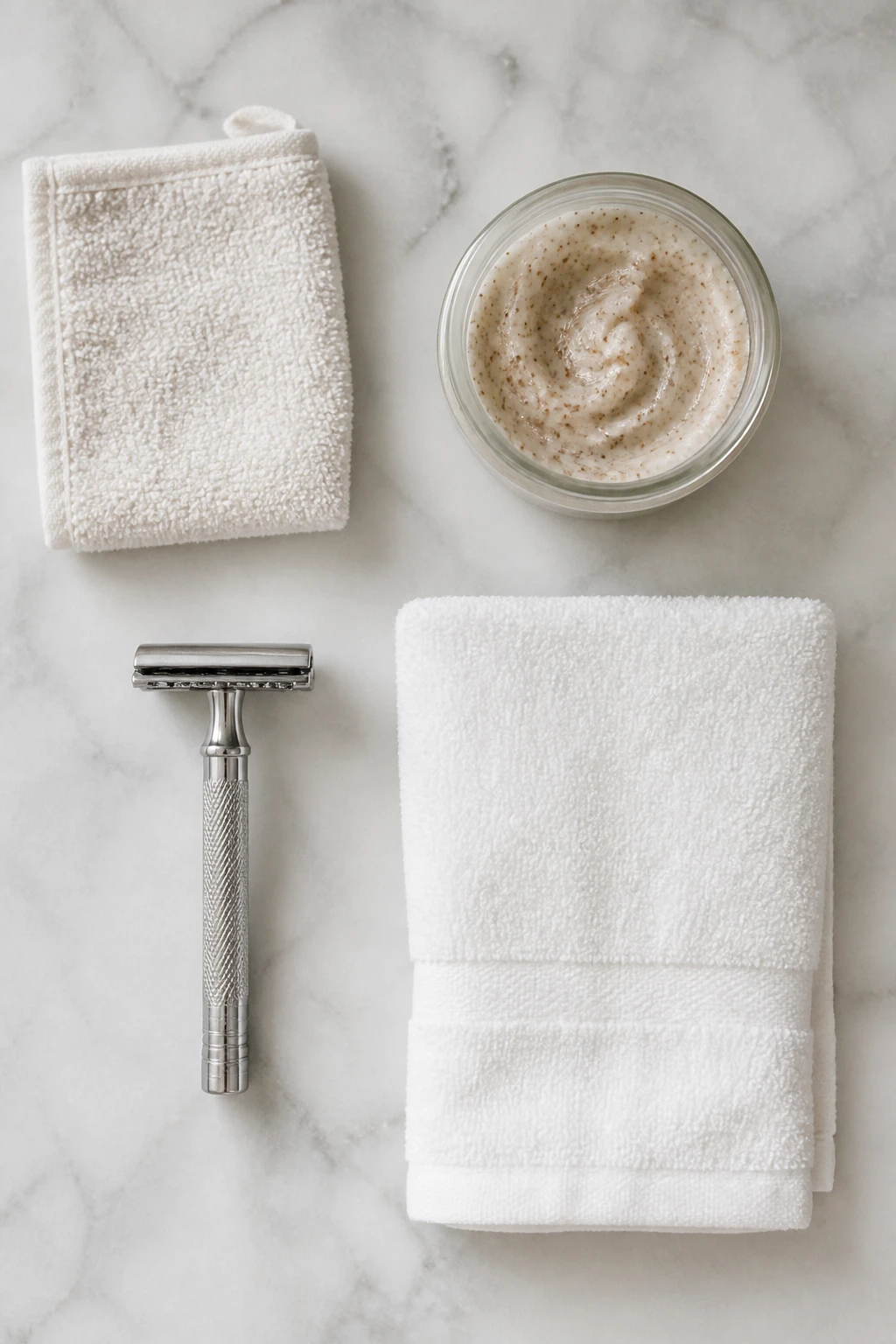
Warmth first, then light exfoliation, is the combination that does the most without aggravating the skin.
Soothing and Protecting the Skin
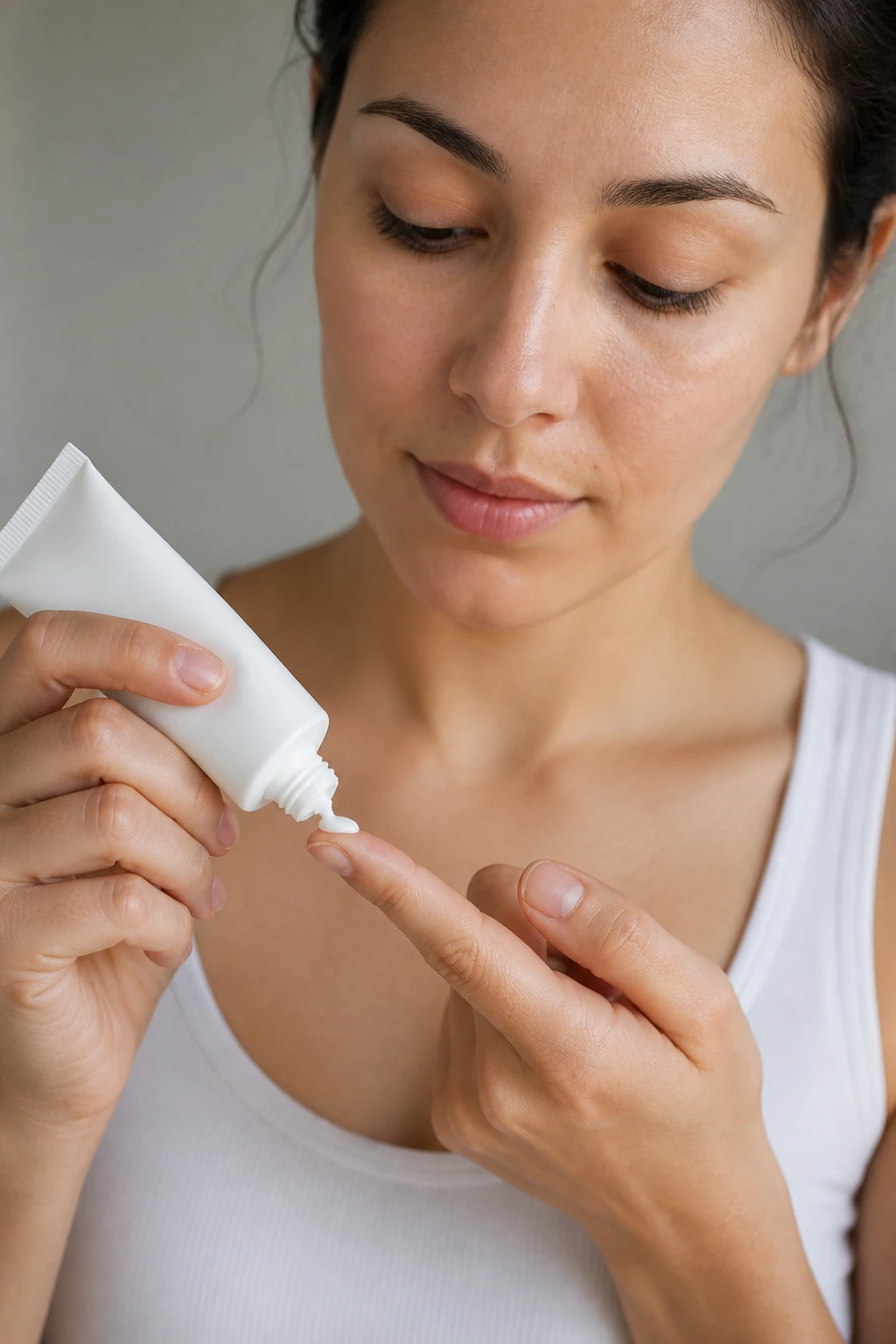
Once the bump starts to settle, keep the area simple. A fragrance-free moisturizer reduces dryness and calms surface irritation, and it is far kinder than acids or scrubs on freshly treated skin.
Trending Topics
Striped Shirt Outfits for Early Fall That Feel Easy29 Bike Shorts Outfits That Look Polished Without Trying Too Hard23 Cute Early Fall Outfits to Wear Now23 Amazing Birthday Nail Designs for Every Celebration17 Fall Festival Outfit Ideas for Easy Cute LayersGive the spot breathing room, too. Loose, breathable clothing reduces the friction that keeps ingrown hairs coming back.
Treating Ingrown Hairs by Area
The same gentle principles apply everywhere, but a few areas need extra care.
| Area | Gentle approach | When to get help |
|---|---|---|
| Bikini / pubic area | Skip tight seams, choose breathable cotton, and keep products simple. | Severe pain, drainage, or bumps that keep returning. |
| Legs & knees | Loosen friction points and avoid stiff, abrasive fabric over the spot. | A bump that stays hard or inflamed beyond two weeks. |
| Chin & face | Stop tweezing around it and let the hair surface on its own. | A growing lump, repeated bumps, or anything that drains. |
| After waxing / sugaring | Wait before using strong acids or scrubs; let new skin settle first. | Spreading redness or tenderness that worsens. |
How to Prevent Ingrown Hairs Long-Term
Prevention is mostly about reducing friction and being kinder during hair removal.
- Exfoliate gently a couple of times a week to keep follicles clear.
- Always use a sharp, clean razor and rinse it between strokes.
- Shave in the direction of growth rather than chasing a closer result.
- Moisturize regularly so skin stays soft and supple.
- Choose looser clothing over freshly shaved or waxed areas.
- If bumps are frequent, consider laser hair removal or switching methods.
When to See a Doctor
Most ingrown hairs are harmless, but some signs mean it is time to let a professional take over. Do not keep treating a worsening bump at home.
- Increasing pain, spreading redness, or warmth around the area
- Pus, drainage, or a deep, growing lump
- A fever alongside a sore spot
- Bumps that keep returning in the same place
A dermatologist can safely release a stubborn hair, treat any infection, and suggest a removal method that suits your skin.
A Calmer Way Forward
Getting rid of ingrown hairs really comes down to treating the skin gently and giving it time. Pause, warm, exfoliate lightly, soothe, and resist the urge to dig.
Keep your routine simple and your tools clean, and most bumps fade on their own, with fewer showing up next time.

I am Sofia Bennett, the editor behind VFB Style and a mum of three. I share wearable outfit ideas, seasonal styling tips and practical fashion inspiration for real everyday life from real life fashion trends.