
How To Fix Dry Damaged Hair For Good This Time
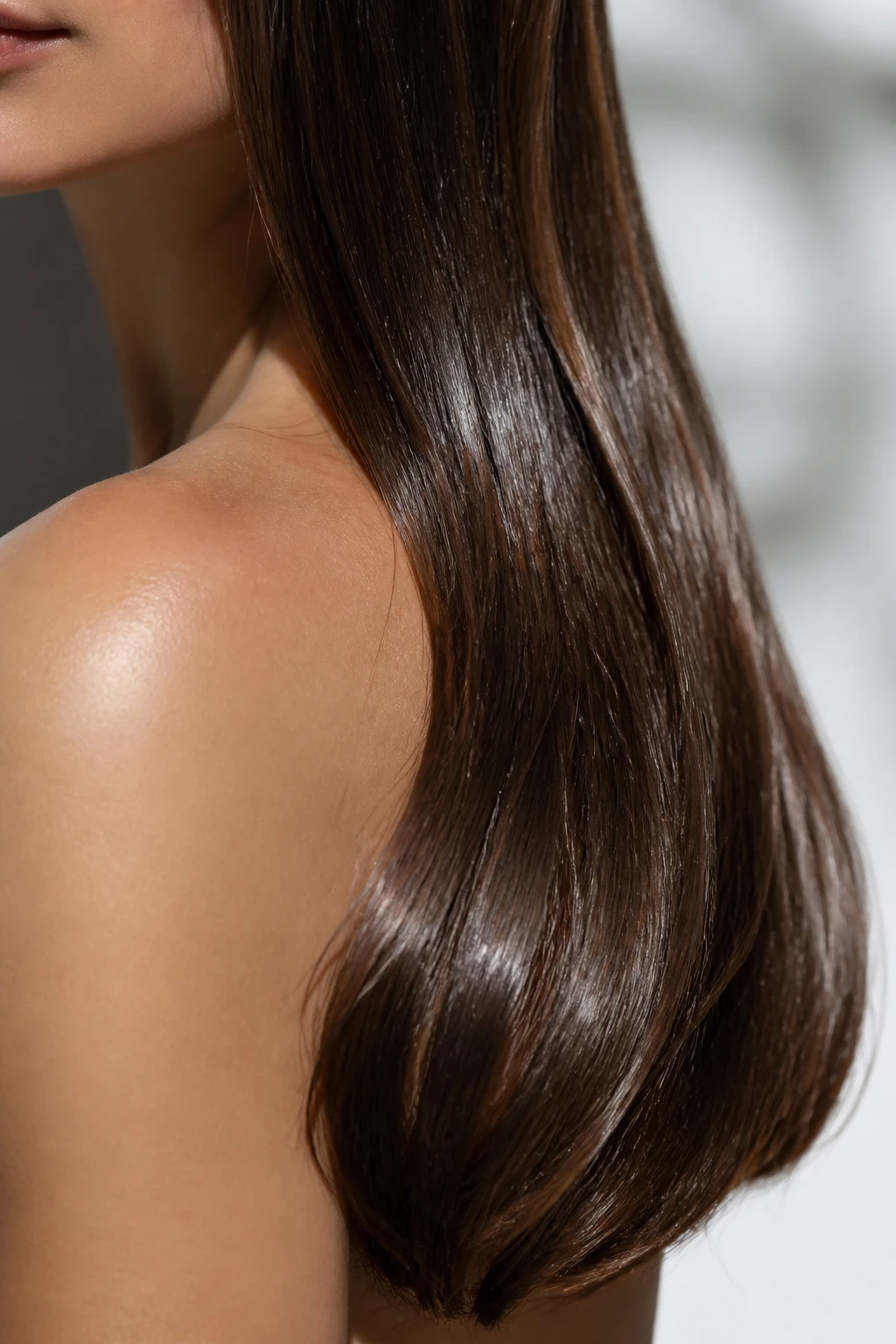
Dry, damaged hair is not a life sentence. With the right mix of moisture, protein, and gentler habits, most hair looks and feels dramatically healthier within a few weeks.
You May Also Love
Here is exactly how to repair it and keep it that way, without a cabinet full of products.
What Actually Makes Hair Dry and Damaged
Damage is usually cumulative: heat styling, colour and chemical treatments, hard water, sun, and everyday friction all chip away at the cuticle until moisture escapes faster than it goes in.
Once you know your main culprits, you can stop the damage at the source rather than just masking it.
First, Know Your Hair’s Porosity
Porosity is how easily your hair absorbs and holds moisture, and it decides which products actually work for you. Try the simple test: drop a clean strand into a glass of water and watch what it does.
| Porosity | What you notice | What helps most |
|---|---|---|
| Low | Strand floats; products sit on top and take ages to soak in. | Lightweight liquids and a little warmth to open the cuticle. |
| Medium | Strand sinks slowly; hair holds style and moisture well. | Balanced moisture with occasional protein. |
| High | Strand sinks fast; hair drinks product but dries out quickly. | Rich creams, oils to seal, and regular protein. |
Repair Starts in the Shower
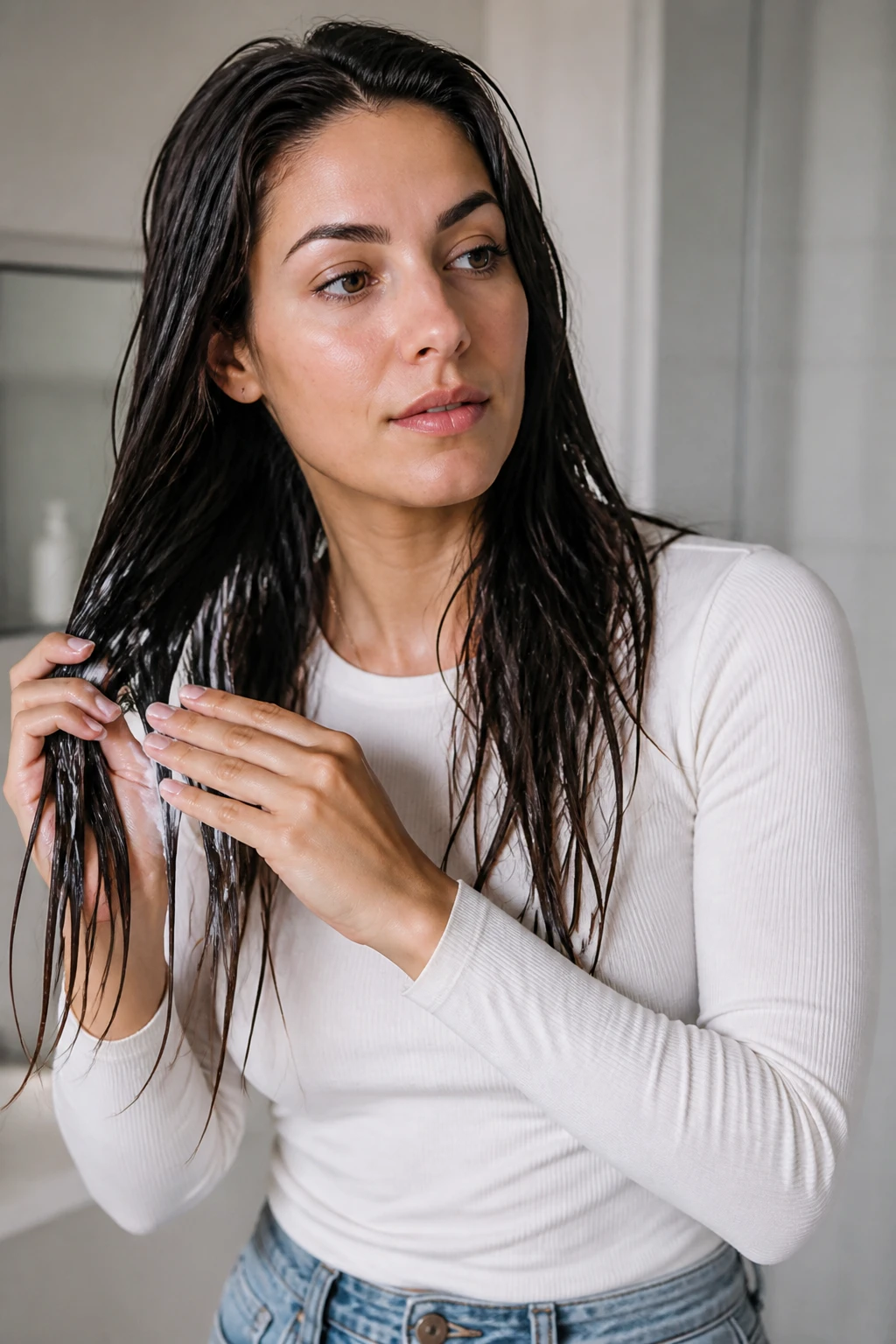
Switch to a gentle, sulphate-free shampoo and wash with lukewarm water. Always follow with conditioner through the mid-lengths and ends, and detangle with a wide-tooth comb while the conditioner is still in.
Finish with a cool rinse to help the cuticle lie flat, which locks in moisture and adds instant shine.
Deep Condition and Mask Every Week
A weekly mask is where real repair happens. Alternate a moisture mask with a light protein treatment: moisture keeps hair soft and flexible, protein rebuilds strength. Too much of either backfires, so balance is everything.
On a budget, a warm oil treatment before washing works beautifully on dry ends.
Lock In Moisture Every Day

Between washes, a pea-sized amount of leave-in or a few drops of lightweight oil on damp ends keeps strands supple — think of it as moisturiser for your hair.
Trending Topics
Purple Hair Color Ideas to Inspire Your Next LookRadiant Pink Hair Colors To Brighten Your LookFall Teacher Capsule Wardrobe Outfits That Work HardWhite Pants Outfits That Actually Flatter and Feel EasyWinter White Outfits That Look Polished and Feel WarmConcentrate on the oldest, most fragile part (the ends) and skip the roots so hair does not look greasy.
Protect From Heat and Friction
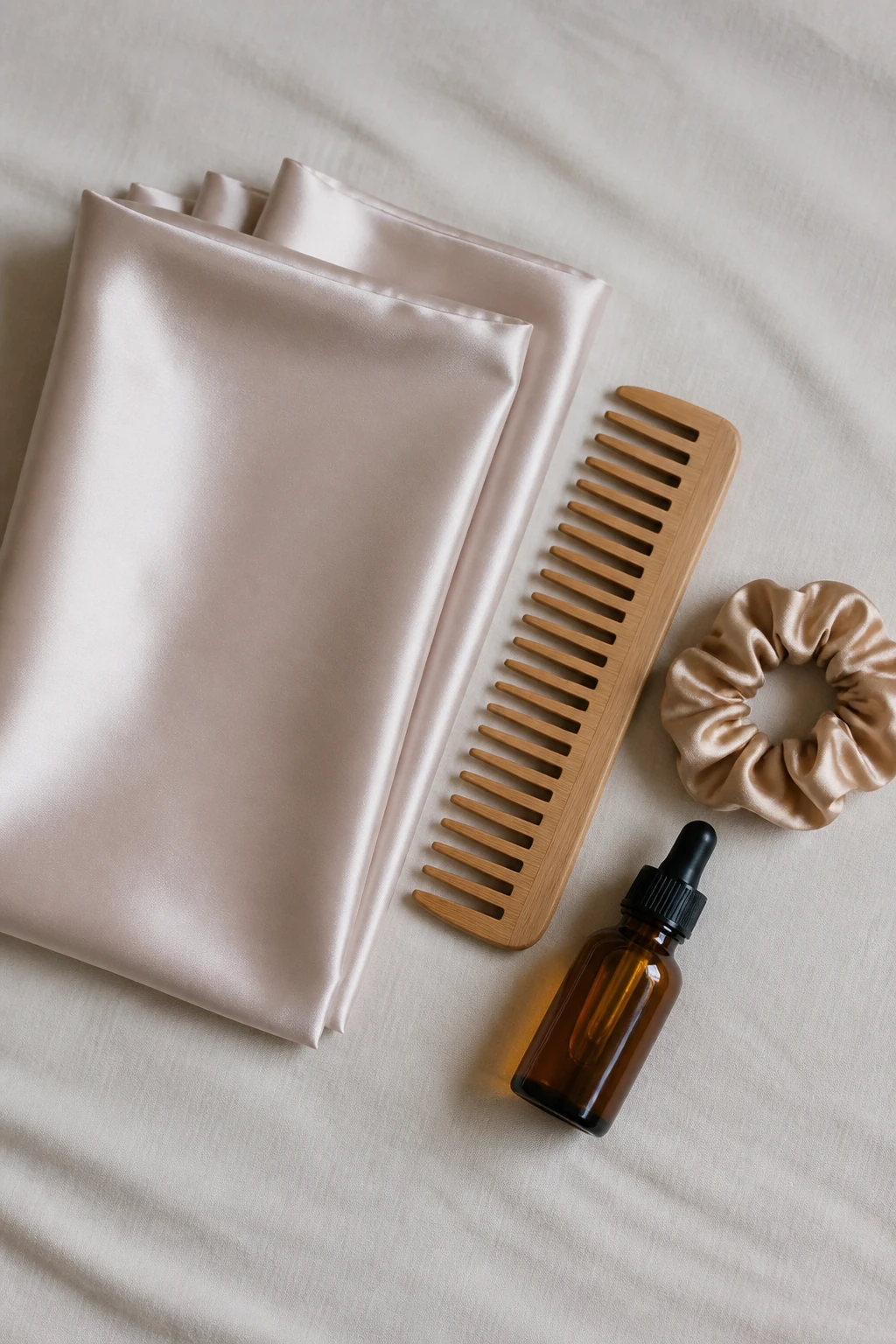
Heat and friction undo repair faster than anything. Always use a heat protectant, keep tools on a lower setting, and give your hair regular heat-free days.
Overnight, a silk or satin pillowcase and a loose, soft tie prevent the tangling and snapping that happen while you sleep.
Everyday Habits That Quietly Cause Damage
Small daily swaps add up to big results.
| Common habit | Gentler swap |
|---|---|
| Rough towel-drying | Squeeze gently with a soft cotton tee or microfibre towel. |
| Brushing soaking-wet hair | Detangle damp hair from the ends up with a wide-tooth comb. |
| Daily hot tools | Air-dry when possible; save heat for the days that need it. |
| Tight elastics | Soft scrunchies or claw clips that do not dent or snap. |
Eat and Hydrate for Stronger Strands
Repair is not only topical. Protein, omega-3s, and plenty of water give new growth the raw materials to come in stronger. A diet rich in eggs, fish, nuts, and leafy greens shows up in your hair over time.
Know When to Trim
Sometimes the kindest fix is the scissors. Split ends cannot be glued back together, and leaving them lets the split travel up the strand. A small trim every couple of months keeps damage from spreading.
The Bottom Line
Fixing dry, damaged hair comes down to gentler washing, a weekly deep treatment, daily moisture, and real protection from heat and friction.
Stick with it for a few weeks, trim what is beyond saving, and your hair will feel softer, look glossier, and finally hold on to its moisture.

I am Sofia Bennett, the editor behind VFB Style and a mum of three. I share wearable outfit ideas, seasonal styling tips and practical fashion inspiration for real everyday life from real life fashion trends.