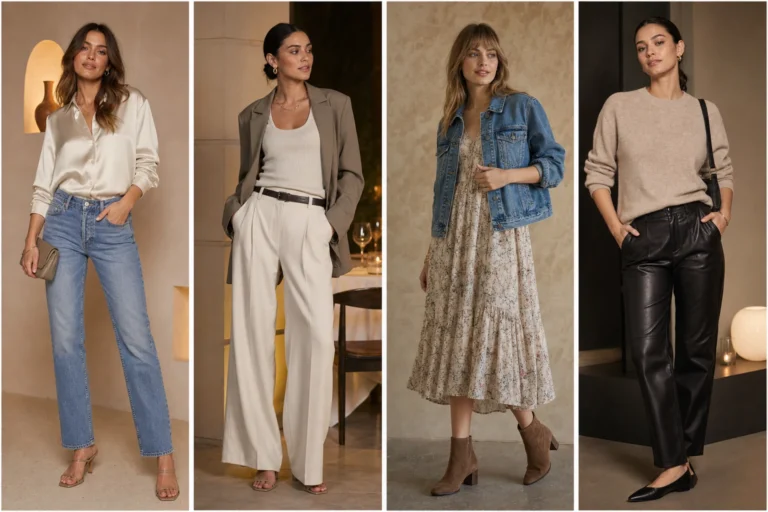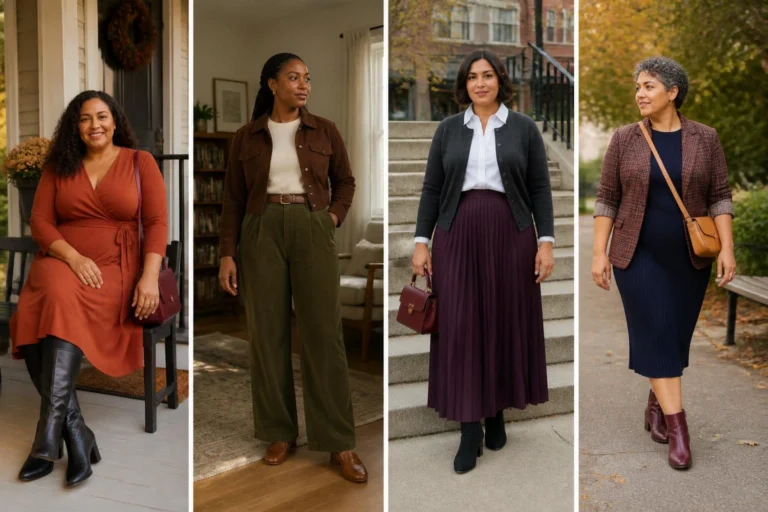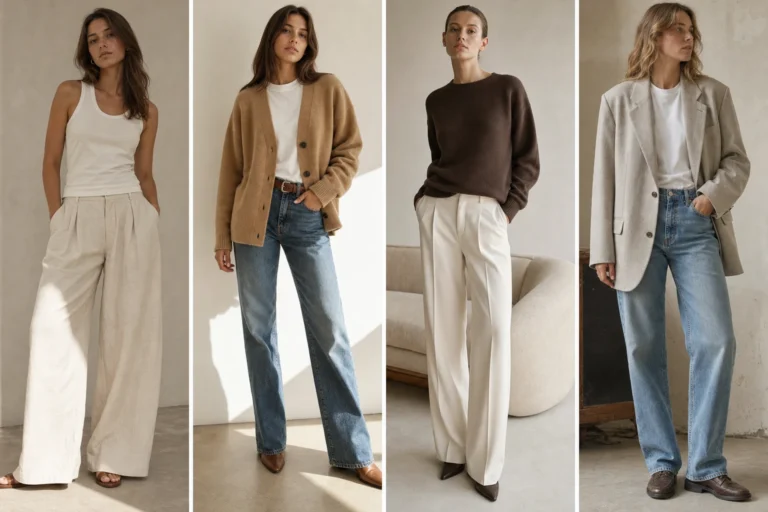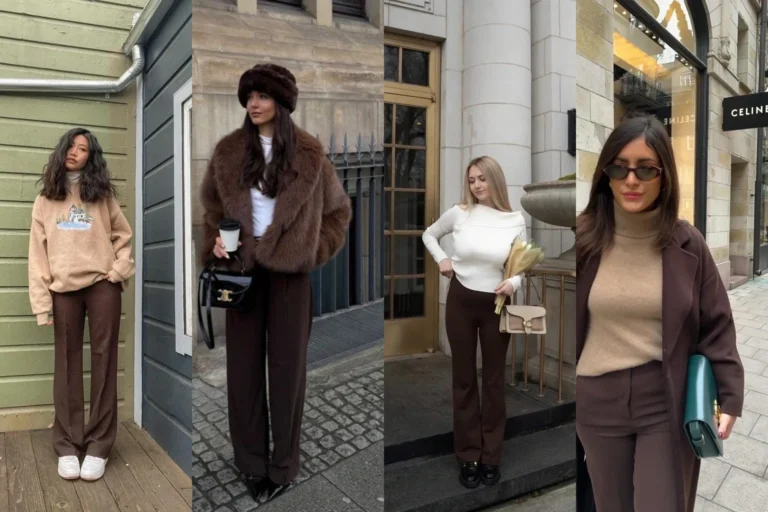
How to Dress in Your 70s and Still Look Stylish
Getting dressed can feel oddly annoying when old favorites stop sitting right. The blouse still fits, but somehow the whole outfit feels tired.
You May Also Love
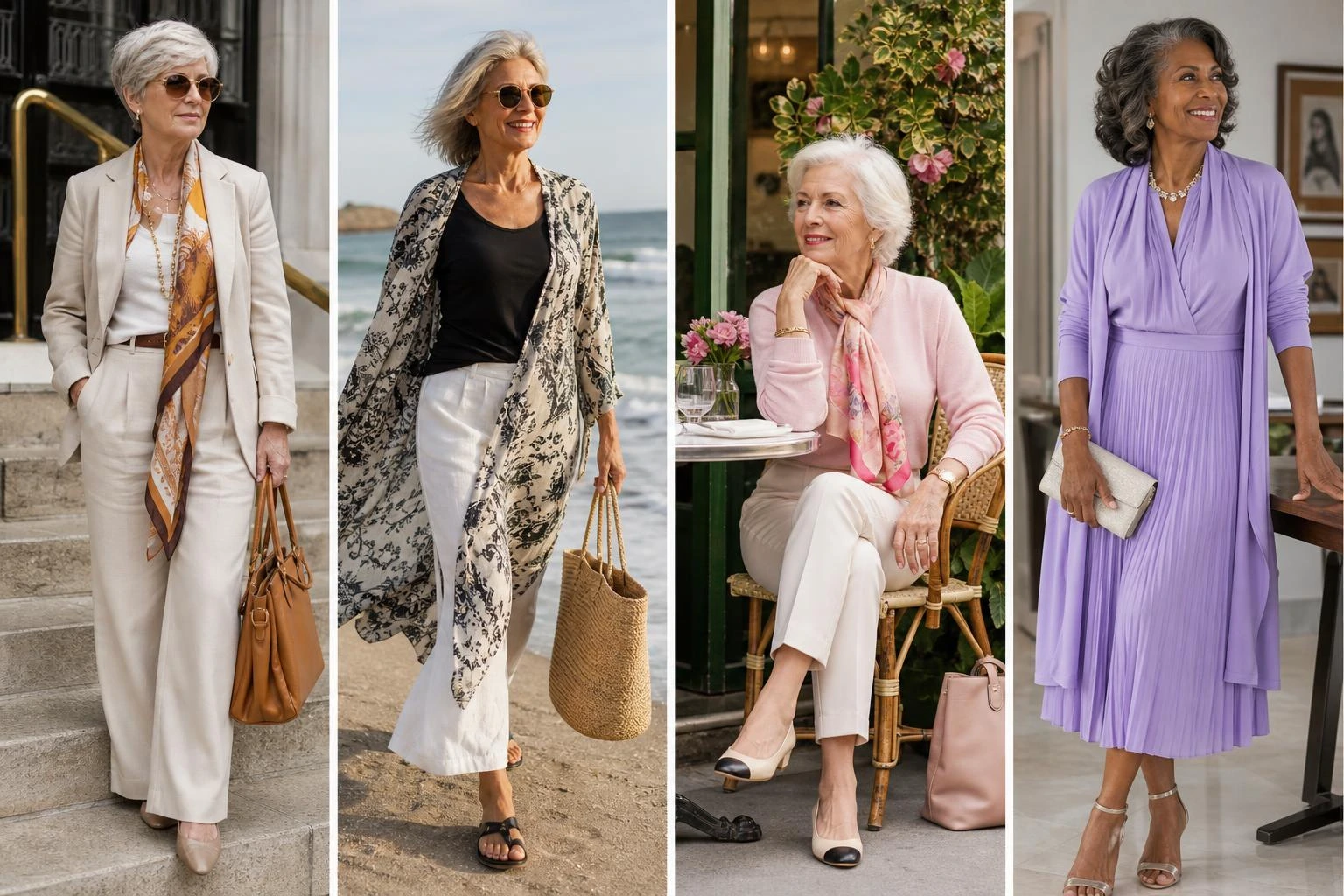
That is why learning how to dress in your 70s is less about rules and more about sharper choices. People still want comfort, color, shape, and a little fun.
The tricky part is telling classy classic from frumpy classic. Often, the difference is fit, shoes, jewelry, and one modern detail.
Post-menopause proportions can change the waist, bust, arms, hips, and shoulders. Clothes need to work with the body now, not the body from twenty years ago.
The good news is simple pieces can still shut it down. These ideas keep things wearable, current, and very grown-woman chic.
1- Build A Real Wardrobe Base
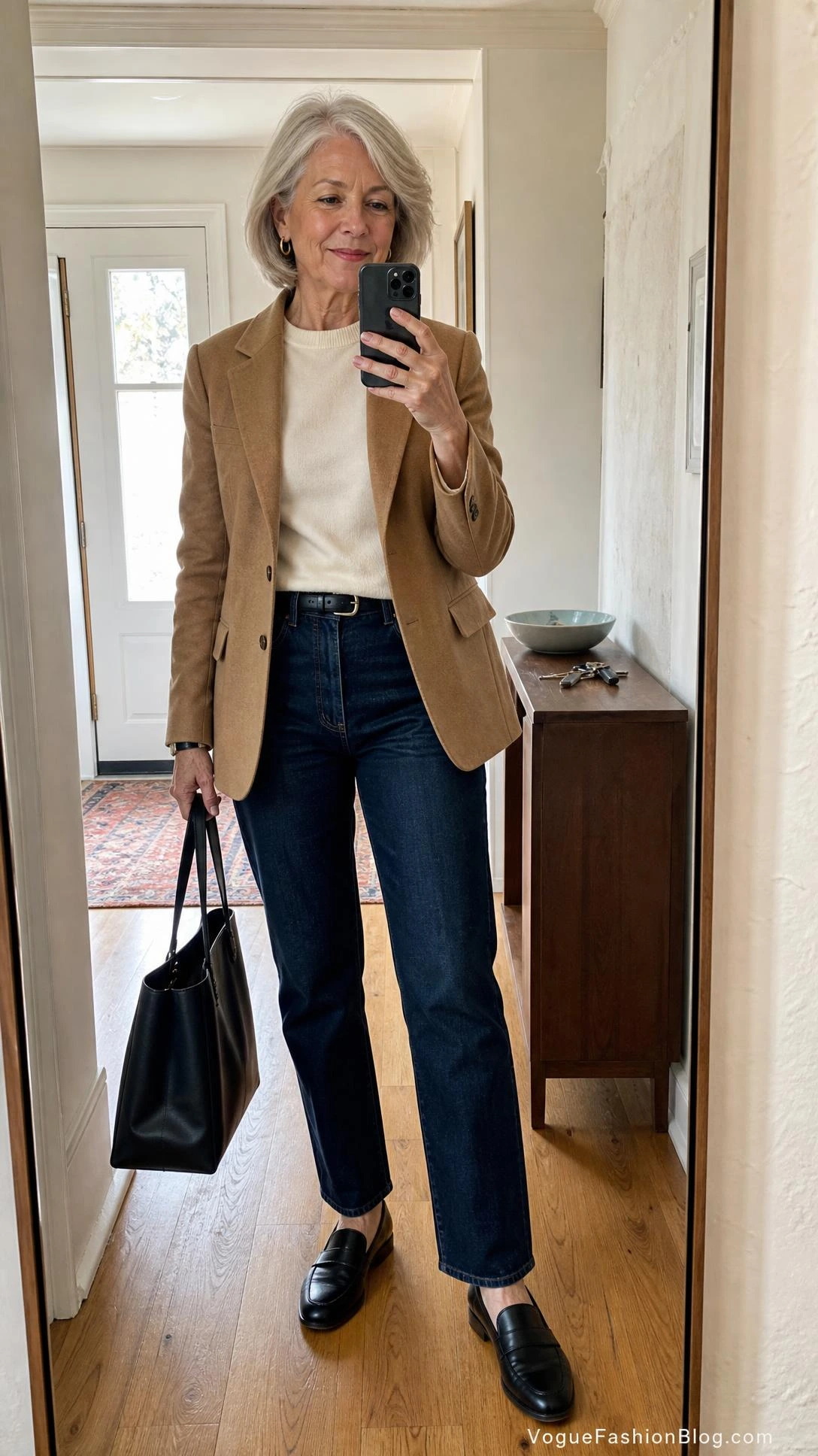
A lot of people own plenty of clothes but still lack clean starting points. A crisp white shirt, navy blazer, dark straight jeans, black trousers, and camel trench make mornings easier.
Choose fabrics with body, like cotton poplin, ponte knit, wool crepe, denim, and smooth linen blends. These hold shape better than limp jersey or paper-thin knits.
Those pieces pair well with loafers, low block heels, clean sneakers, silk scarves, and structured leather bags. Navy, ivory, chocolate, camel, and soft grey mix without looking harsh.
The caveat is that basics cannot look neglected. If a shirt gaps, trousers drag, or a blazer pulls, tailoring matters more than the label.
2- Choose Structure Without Stiffness
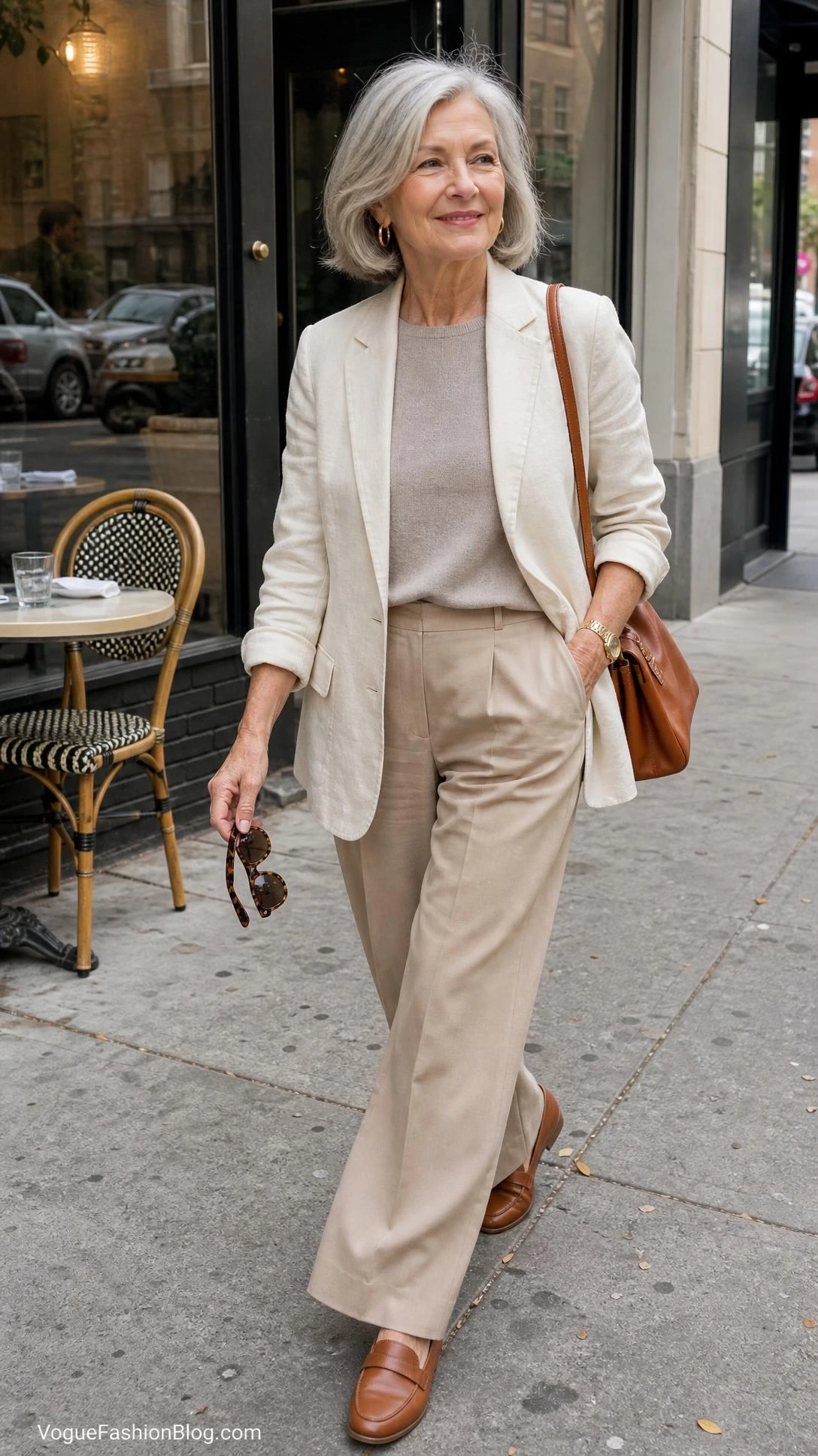
Oversized comfort pieces can feel safe, but they often swallow the body. A little structure gives shape without making anyone feel buttoned into armor.
Look for A-line dresses, straight-leg pants, sweater blazers, and jackets that narrow slightly at the waist. Soft fabrics like cashmere, silk twill, brushed cotton, and stretch wool keep everything relaxed.
Structured pieces pair beautifully with drapey scarves, pearl hoops, metallic flats, and a soft leather tote. That mix keeps the outfit polished but not severe.
The caveat is avoiding boxy cuts that end at the widest part of the hip. A hem that hits high hip, mid thigh, or cleanly at the ankle usually works better.
3- Tailor The Pieces People Wear Most
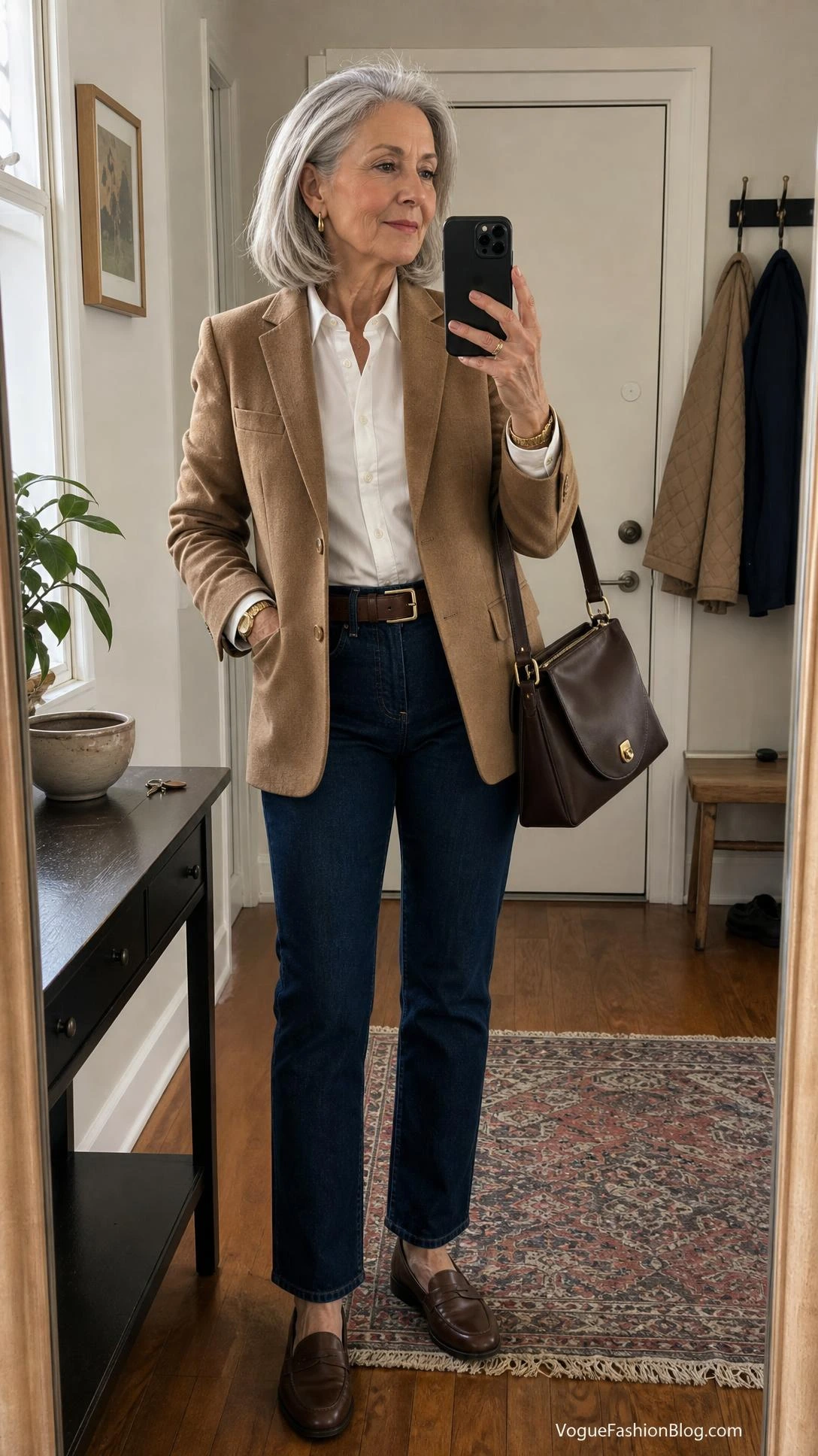
Fit is usually where frumpy begins, even with nice clothes. A small alteration can make jeans, slacks, tees, and button-downs look more expensive.
Trousers should skim the waist, fall cleanly over the hip, and stop around the ankle bone. Jeans look current in straight, slim-straight, or gentle wide-leg shapes.
Tailored pants pair well with tucked silk shirts, Breton tops, fitted sweaters, loafers, mules, and low boots. A belt in cognac, black, burgundy, or textured leather finishes the line.
The caveat is that tailoring cannot save uncomfortable fabric or a bad rise. If the waistband digs or the shoulders fight back, skip the project.
4- Use Color Near The Face
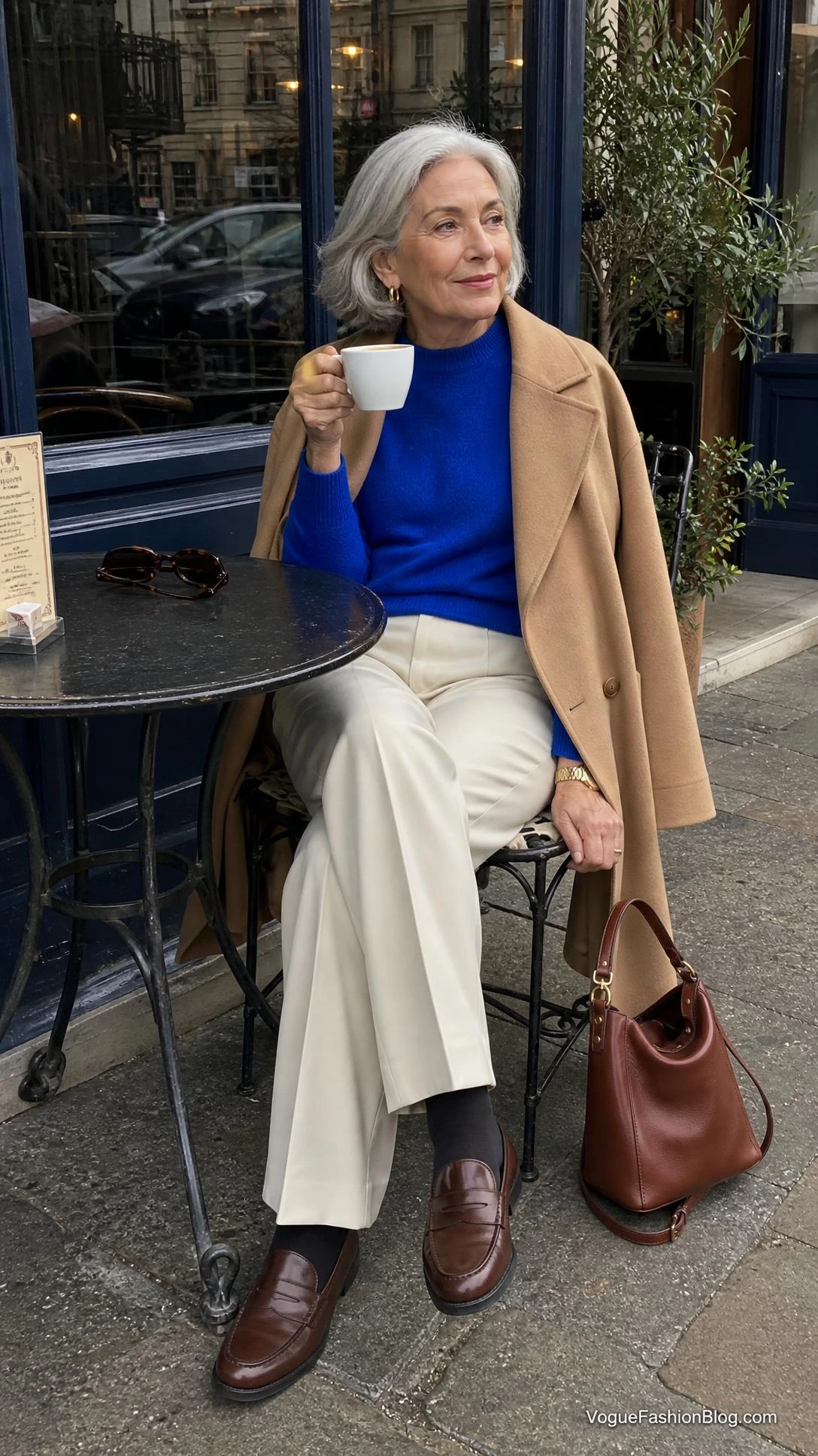
Some neutrals become less kind with age, especially flat black near the face. Charcoal, navy, espresso, camel, and ivory often look softer.
Jewel tones are especially good for bringing life back to simple outfits. Emerald, cobalt, ruby, teal, plum, and saturated purple look rich without trying too hard.
A jewel-toned blouse pairs well with white wide-leg trousers, dark denim, or a camel midi skirt. Add gold hoops, tortoiseshell glasses, or a navy handbag for polish.
The caveat is that tiny low-contrast prints can look dated fast. Choose bold stripes, modern florals, color blocking, or solid color instead.
5- Wear Comfortable Shoes That Look Current
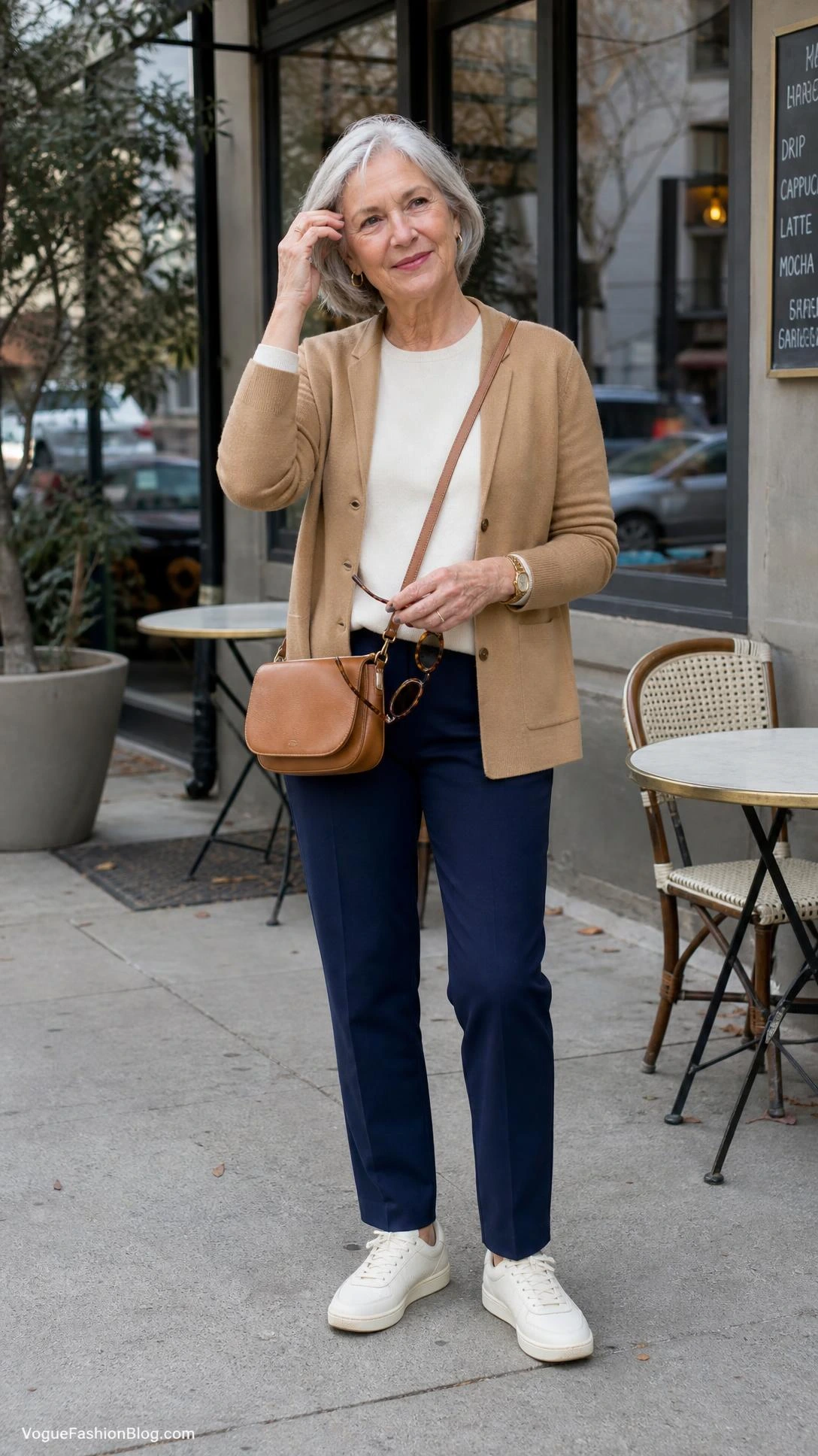
Shoes can age an outfit faster than almost anything else. Practical footwear is fine, but the shape needs to feel fresh.
Try cushioned loafers, sleek white sneakers, espadrilles, clogs, mules, kitten heels, or block-heeled ankle boots. Metallic flats in pewter or soft gold add shine without pain.
These shoes pair well with cigarette pants, midi skirts, shirt dresses, wide-leg trousers, and dark jeans. Neutral shoes can lengthen the leg, while red or leopard shoes can be the fun piece.
The caveat is that support still matters. If a shoe has no arch, no grip, or pinches the toe, it is not worth the cute moment.
Trending Topics
15 Fall Brunch Outfits That Feel Cute Not Overdone18 Beige Pants Outfits That Never Feel Basic20 Red Christmas Nails for Every Holiday Mood14 Fashion Tips for Tall Women Who Want Clothes That Actually Fit19 Black Jeans Outfits That Make Everyday Dressing Feel Polished6- Define Shape In A Comfortable Way
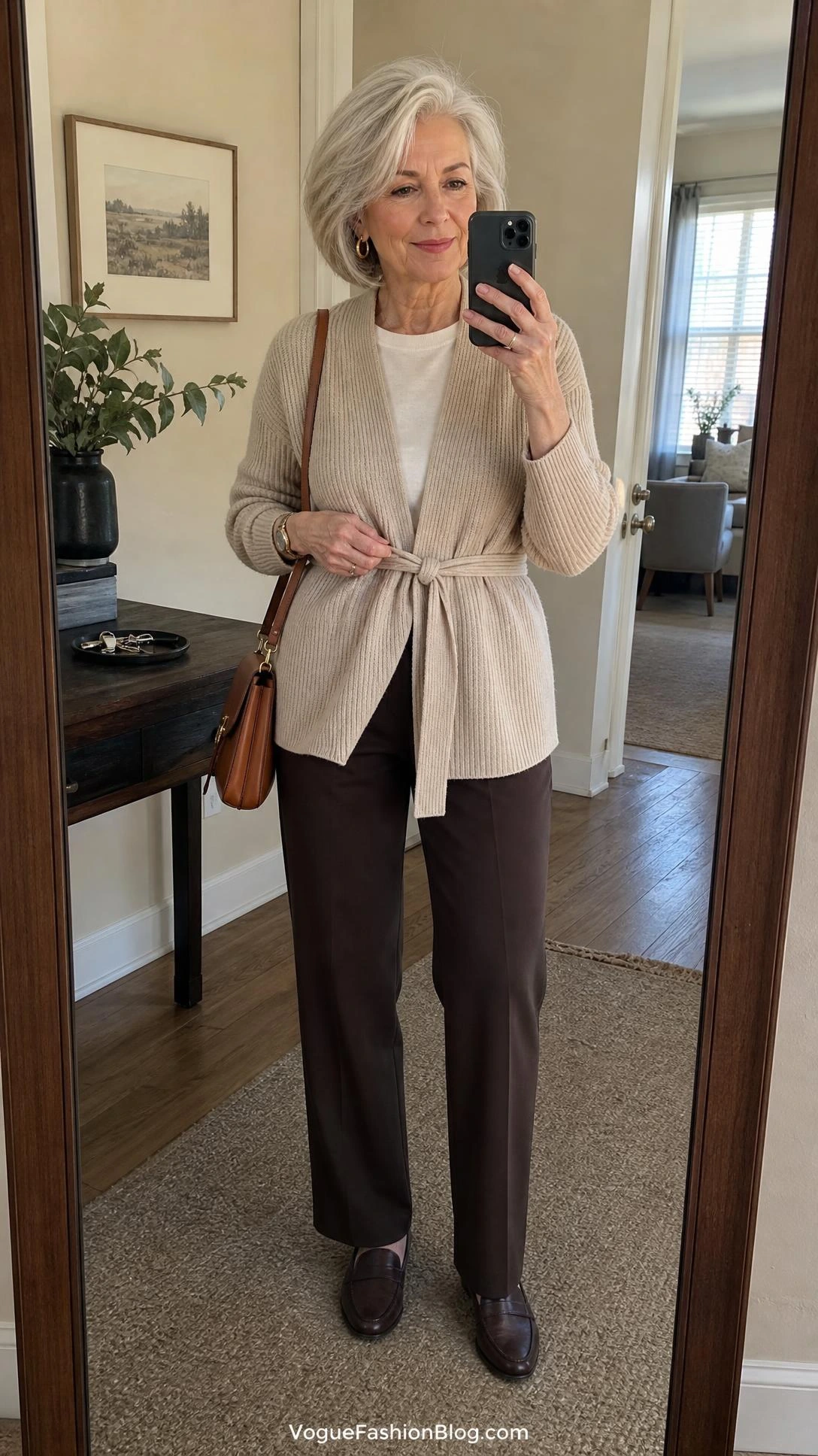
Many people lose waist definition after menopause, even without major weight change. That does not mean every outfit needs to become loose.
Wrap dresses, shirt dresses, column dresses, and A-line skirts give shape without clinging. A soft belt, side tie, open jacket, or half tuck can suggest a waist gently.
These silhouettes pair well with wedges, ballet flats, tall boots, cropped cardigans, and simple gold jewelry. A V-neck, boatneck, high crew, or open collar can frame the face nicely.
The caveat is that belts should not fight the body. If a belt feels fussy, use a jacket seam or dress shape to create the line instead.
7- Master Proportion With Modern Pants
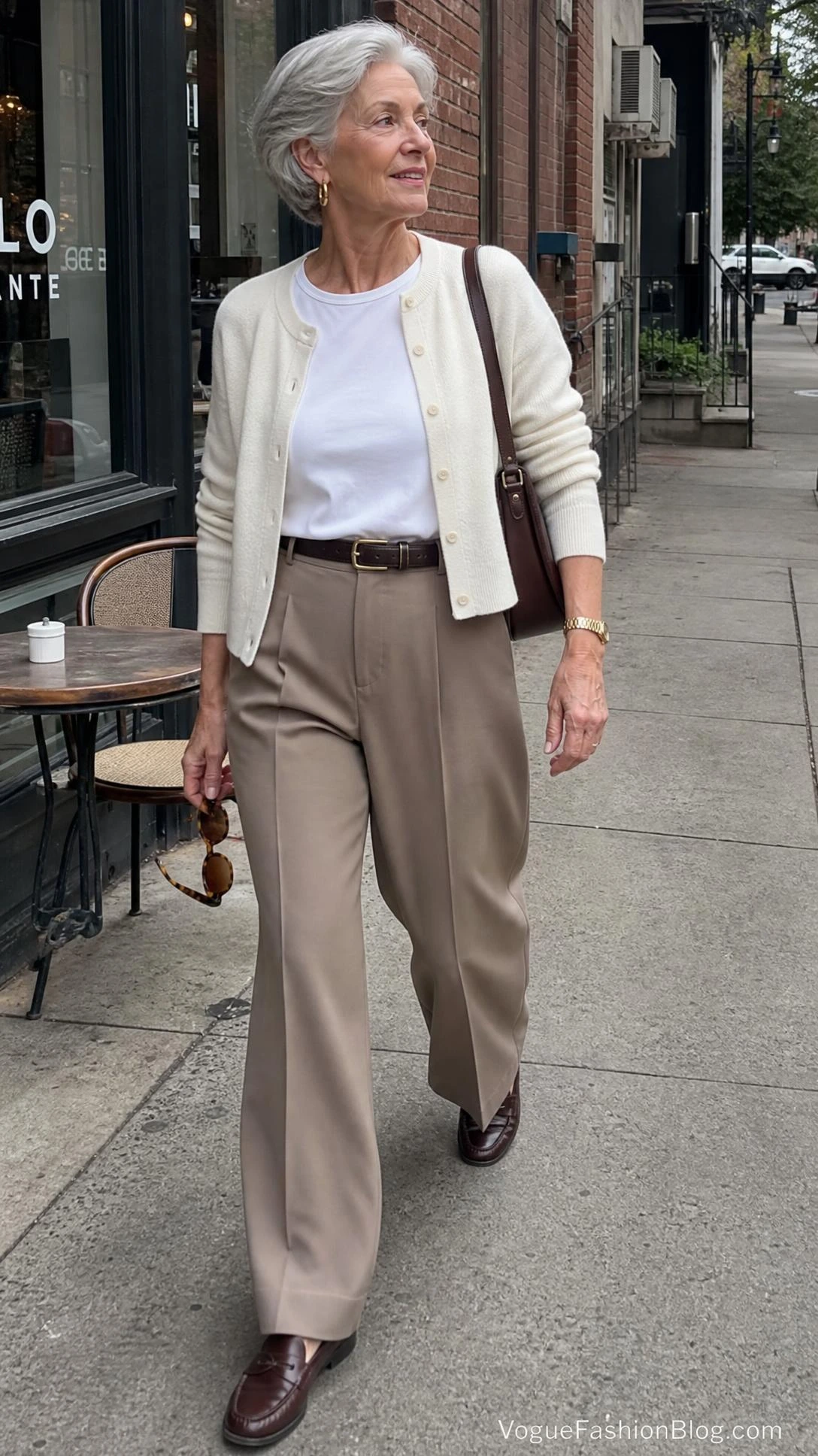
Proportion is where many older classic outfits start looking off. The old long tunic over narrow capris formula can feel heavy now.
If pants are wide, keep the top shorter, tucked, or neatly fitted. If the top is slouchy, choose straight-leg or slim-straight pants underneath.
Wide-leg trousers pair well with cropped jackets, silky blouses, fitted knits, and pointed flats. Straight jeans work with relaxed sweaters, striped tees, blazers, and white sneakers.
The caveat is watching where hems stop. Cropped pants should look intentional, not like regular pants that shrank.
8- Add A Third Piece That Has Personality
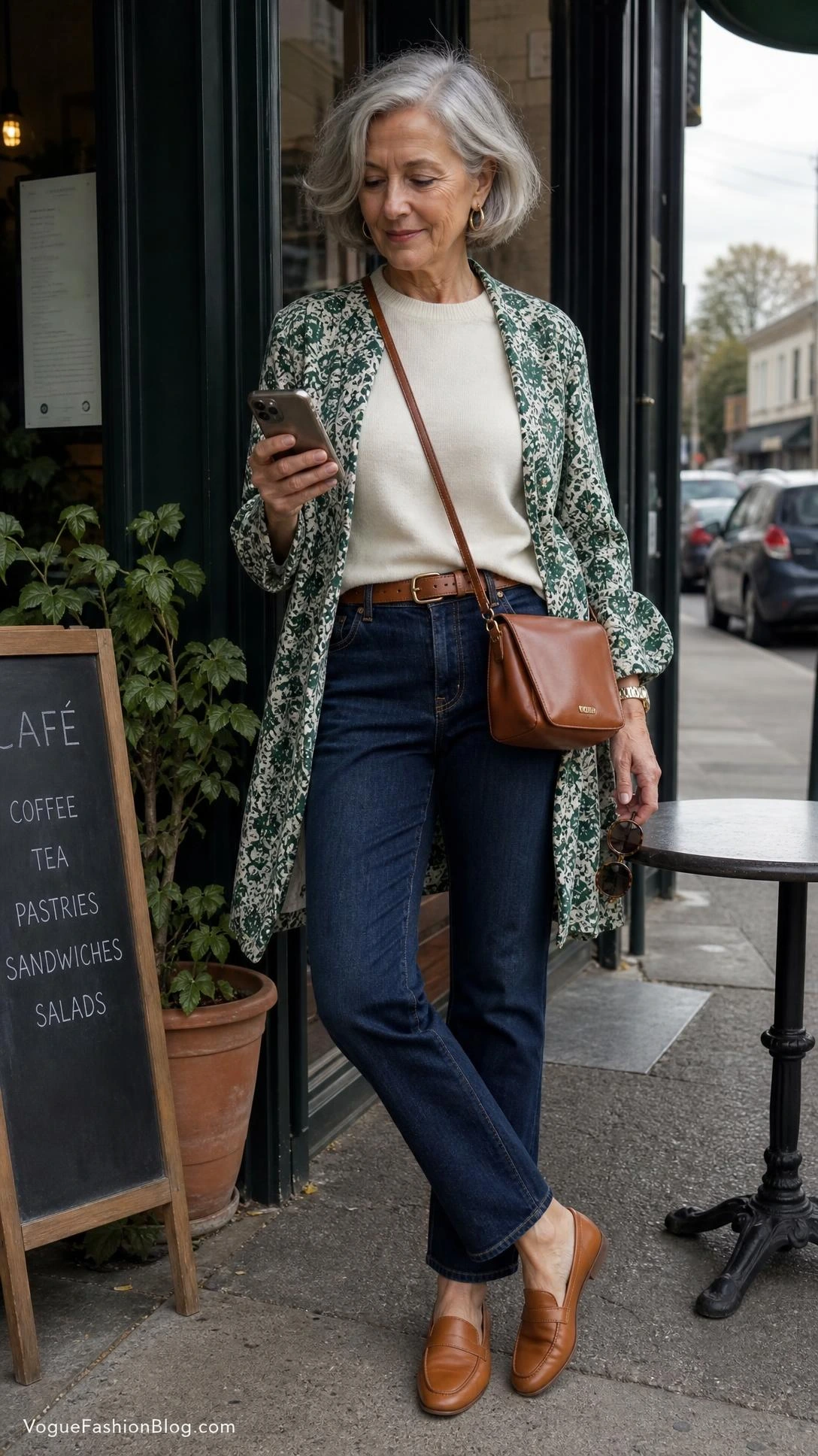
Plain top and pants can feel unfinished, even when both pieces are nice. A third piece gives the outfit a point of view.
That piece can be a blazer, vest, long cardigan, trench coat, denim jacket, or printed scarf. Texture helps too, like tweed, raffia, suede, silk, or ribbed knit.
A navy blazer pairs well with jeans, a white shirt, loafers, and a tan bag. A long cardigan works with a column dress, ankle boots, and layered necklaces.
The caveat is not adding bulk everywhere at once. If the third piece is oversized, keep the layer underneath closer to the body.
9- Let Accessories Do Real Work
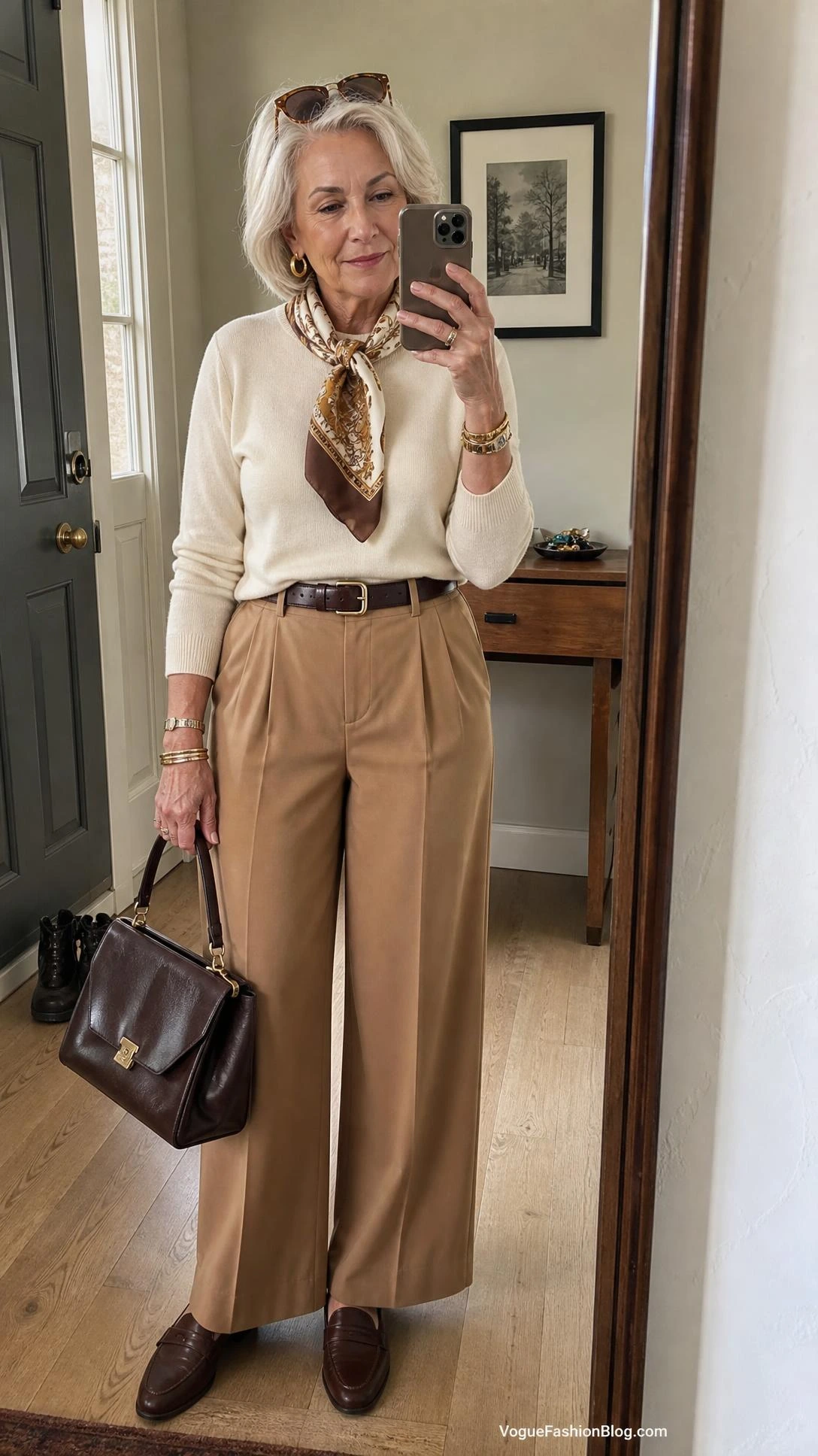
Accessories often decide whether classic looks classy or plain. Earrings, glasses, lipstick, bags, and scarves change the mood immediately.
Try textured gold hoops, sculptural silver earrings, tortoiseshell frames, silk scarves, raffia bags, or a bold red lip. Glasses in teal, burgundy, cat-eye, or round shapes can act like jewelry.
These pieces pair well with quiet outfits, like a white shirt and dark jeans or a black knit dress. A structured taupe, navy, burgundy, or cream handbag keeps things grounded.
The caveat is stopping before everything competes. One or two statement pieces usually look sharper than five loud ones.
10- Keep Trends Low-Risk And Personal
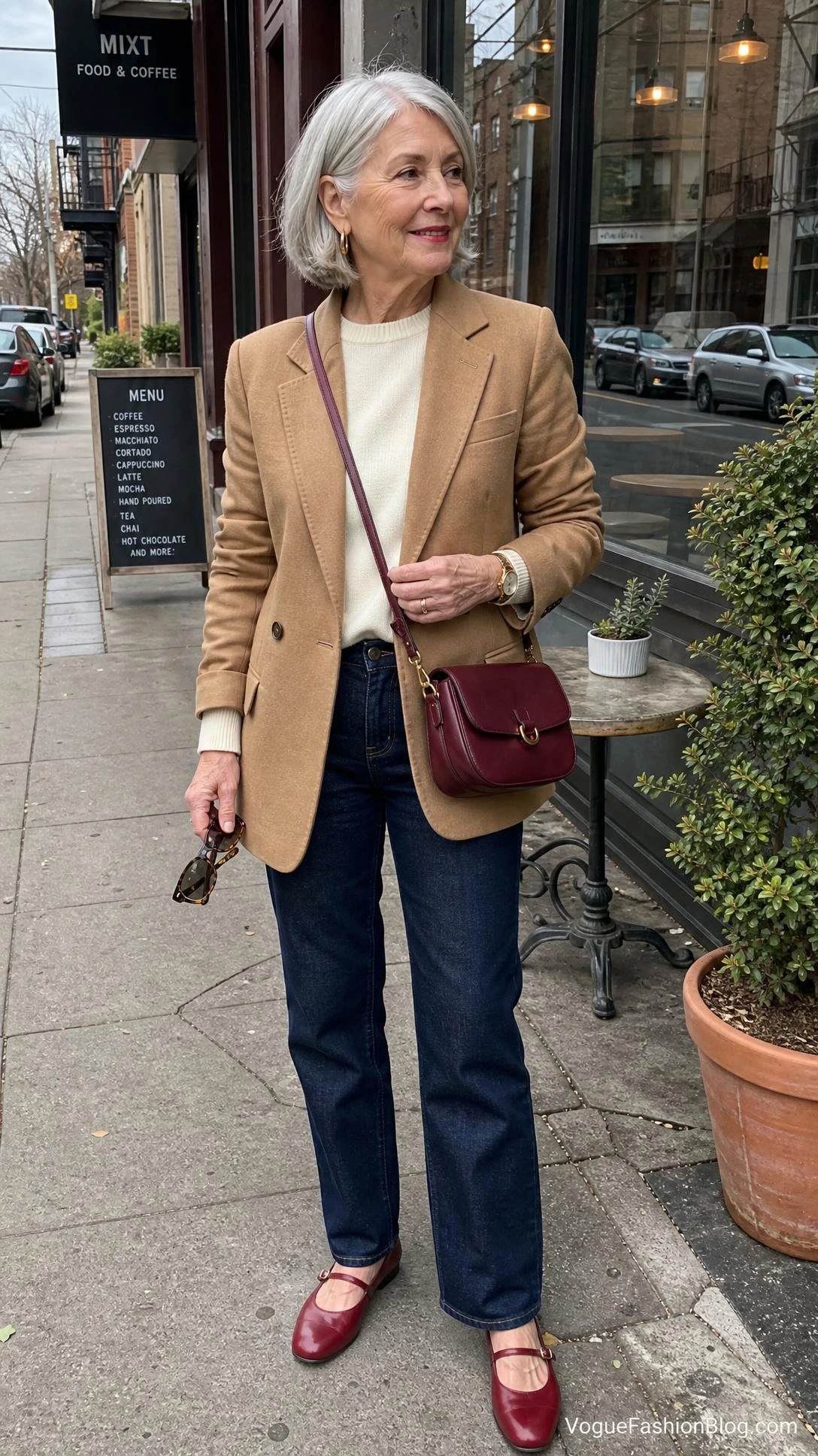
People sometimes worry about looking like they are trying too young. Usually the issue is not the trend, it is how much of it shows up at once.
Try one newer idea through a thrift find, a scarf, a shoe, or a color. Barrel jeans, leopard flats, a band tee, or a satin skirt can be tested cheaply first.
Trendy pieces pair best with steady classics, like a blazer, dark denim, cotton shirt, or simple cashmere sweater. That keeps how to dress in your 70s feeling current without losing personal taste.
The caveat is that not every trend deserves space. If it annoys the body, the closet, or the lifestyle, let it pass.
The Final Word On Looking Current In Your 70s
How to dress in your 70s is really about honesty, not age limits. Clothes should suit the body, the day, and the person wearing them.
The strongest outfits usually have fit, color, texture, and one clear focal point. They do not need to be loud to feel alive.
Hair, makeup, shoes, underwear, and accessories matter more than people admit. Sometimes the outfit is fine, and the finishing details just need a refresh.
When something fits well, feels good, and brings a little spark, age is not the problem. The real goal is getting dressed and feeling like yourself.
I am Sofia Bennett, the editor behind VFB Style and a mum of three. I share wearable outfit ideas, seasonal styling tips and practical fashion inspiration for real everyday life from real life fashion trends.