
How to Relieve Itchy Scalp With a Calm, Practical Care Routine

Persistent scratching can leave your scalp sore, flaky, and harder to style.
You May Also Love
Learning how to relieve itchy scalp starts with noticing whether dryness, oil, buildup, or irritation is involved.
Gentle washing matters, but severe symptoms deserve medical attention rather than endless product switching.
Here are the steps I would actually follow.
1- When Home Care Is Not Enough

An itchy scalp needs professional care when discomfort keeps returning or worsens.
Thick crusts, bleeding, swelling, pus, or spreading redness are important warning signs.
Hair loss, intense pain, or a rash elsewhere also calls for prompt advice.
Know when to pause.
- Persistent soreness
- Open scratches
- Sudden patchy hair loss
2- Step 1: Reset your wash routine
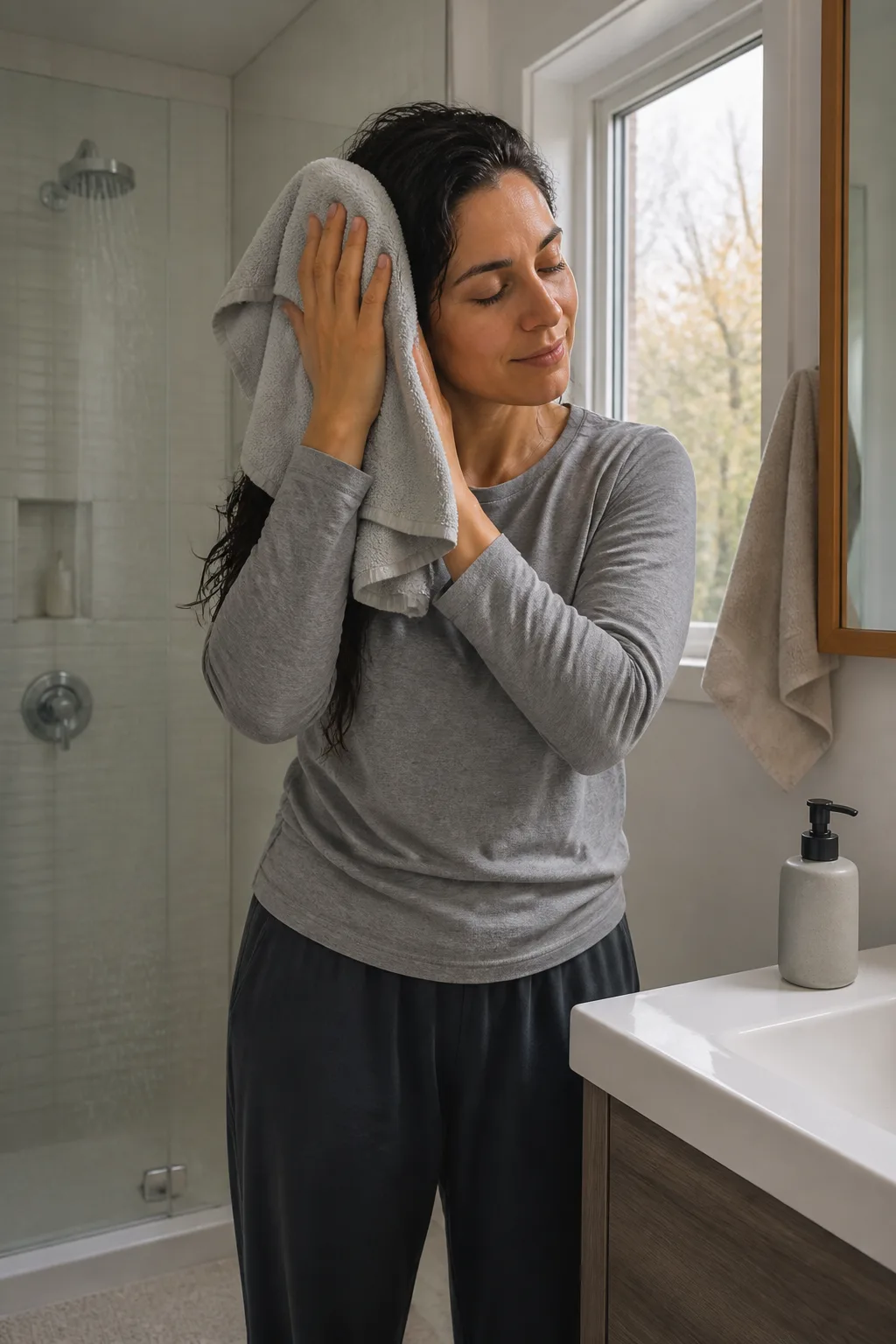
A simpler wash routine can reduce residue and avoid unnecessary scalp friction.
Use lukewarm water, massage gently with fingertips, and rinse longer than usual.
Scrubbing with nails may create tiny breaks that sting beneath styling products.
Start with less.
- Lukewarm water
- Fragrance-free cleanser
- Soft microfiber towel
3- Step 2: Choose the right shampoo (What To Use For Itchy Scalp)
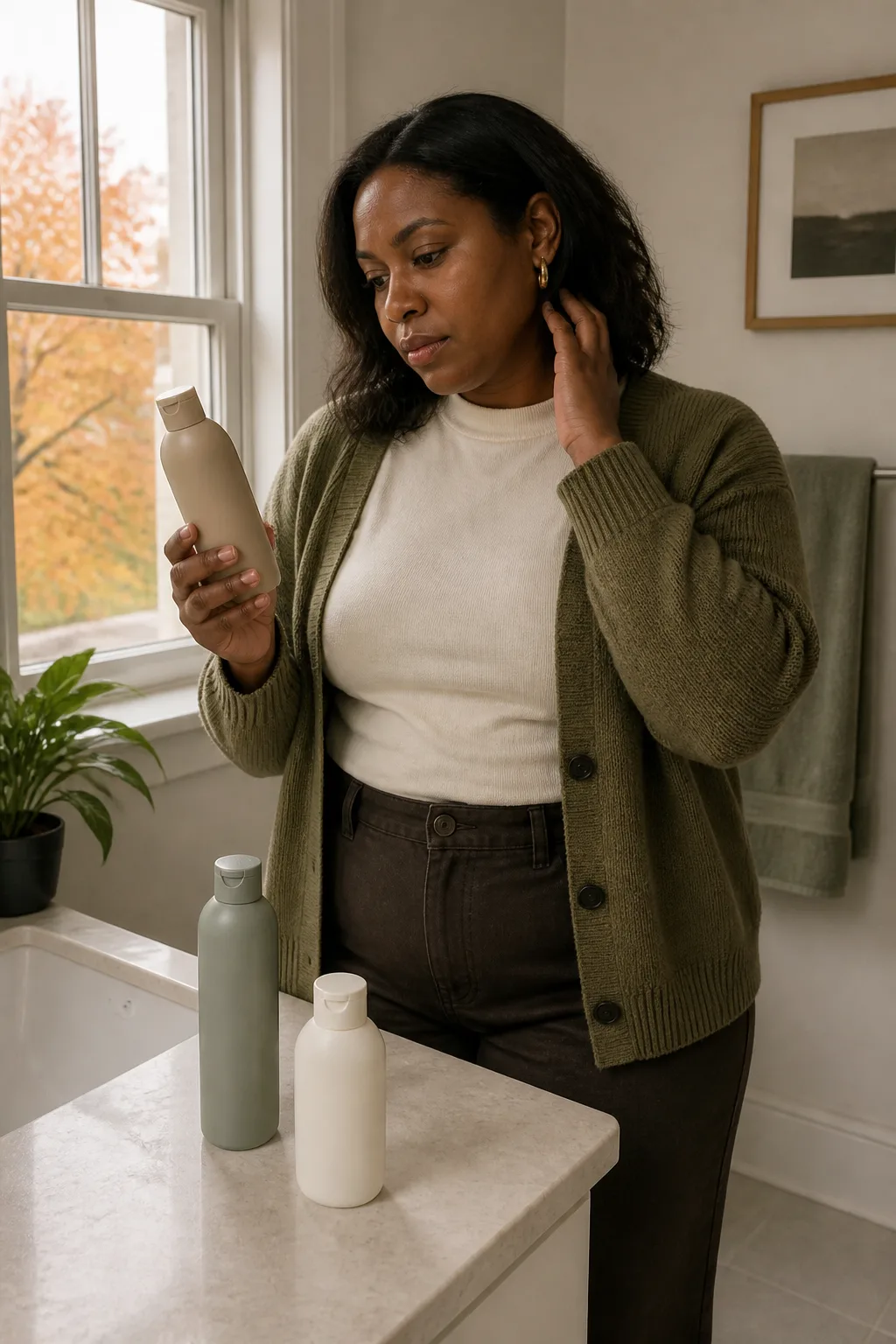
The best shampoo depends on what your scalp is showing, not its packaging claims.
Gentle formulas suit irritation, while medicated options may help dandruff or excess oil.
Introduce one new product at a time so reactions remain easier to identify.
Read the label carefully.
- Fragrance-free gentle shampoo
- Anti-dandruff shampoo
- Plain conditioner for lengths
4- If there are oily flakes and redness
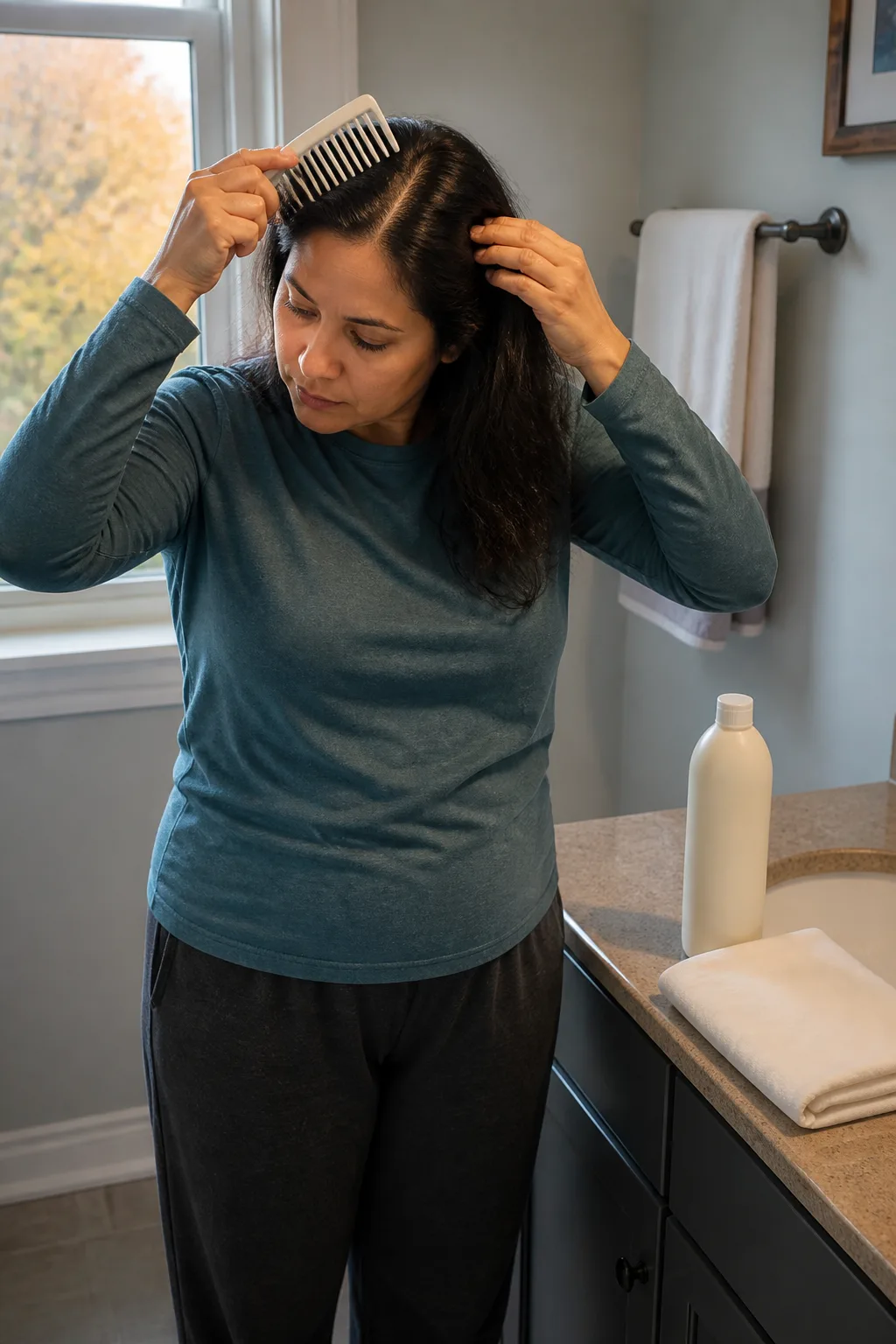
Oily flakes paired with redness can point toward dandruff or seborrheic dermatitis.
A medicated shampoo containing ketoconazole, selenium sulfide, or zinc pyrithione may help.
Follow the bottle directions and allow the lather to sit when instructed.
Consistency beats over-washing.
- Medicated anti-dandruff shampoo
- Wide-tooth comb
- Clean pillowcase
5- Quick Check – When to see a Professional First
See a healthcare professional before self-treating an unusual, painful, or fast-changing scalp.
Children, pregnant people, and anyone with a weakened immune system may need tailored guidance.
A clinician can distinguish dermatitis, psoriasis, infection, allergy, and other causes.
Better answers save time.
- Photographs of changes
- Product ingredient list
- Symptom timeline
6- Step 3: Hydrating Dry Scalp Remedies for tight, flaky skin
A tight, powdery scalp often needs less heat, friction, and product buildup.
Choose a mild cleanser and apply conditioner mainly to the hair lengths.
Scalp oils can worsen some conditions, so stop if itching or redness increases.
Comfort comes first.
- Mild moisturizing shampoo
- Silicone-free conditioner
- Cool-air hair dryer
7- How To Relieve Itchy Scalp fast (Comfort tips)
For quick comfort, cool the area and remove anything that feels tight or irritating.
A cool compress may calm the urge to scratch for a short period.
Keep fingernails short because scratching can deepen irritation and invite infection.
Small changes help today.
- Cool damp washcloth
- Short clean nails
- Loose fabric headband
8- Matching Itchy Scalp Types To Treatments
Matching symptoms to treatment prevents a dry scalp from being treated like oily dandruff.
Oily flakes may need medicated cleansing, while simple tightness may need gentler washing.
Burning after a new product suggests irritation or allergy rather than ordinary dryness.
Trending Topics
21 Creative Trio Halloween Costumes for Three Friends10 White Maxi Skirt Outfit Ideas That Feel Easy to Wear15 Fall Outfit Ideas for Women Over 50Fall Outfit Ideas for Women That Feel Fresh22 Beachy Nails Ideas for a Fresh Coastal ManicureNotice the pattern.
- Dry white flakes
- Greasy yellow flakes
- Red irritated patches
9- If the scalp is dry, tight, and flaky
Dryness often feels tight after washing and produces small, loose flakes.
Reduce hot showers, harsh cleansers, frequent heat styling, and heavily scented formulas.
If flakes remain despite gentle care, ask a professional to check for another condition.
Do not assume dryness.
- Fragrance-free shampoo
- Lightweight conditioner
- Soft cotton pillowcase
10- Step 4: Targeted natural Remedies For Itchy Scalp and dandruff
Natural does not automatically mean gentle, especially on scratched or inflamed skin.
Essential oils, lemon juice, baking soda, and undiluted vinegar can cause burning.
Patch testing and professional guidance are wiser than applying kitchen ingredients broadly.
Simple is safer.
- Plain lukewarm water
- Fragrance-free cleanser
- Cool compress
11- Step 5: Lifestyle Tweaks that quietly calm the scalp
Daily habits can quietly reinforce scalp comfort between wash days.
Wash hats and pillowcases regularly, especially after sweating or heavy product use.
Stress does not explain every symptom, but relaxing routines may reduce scratching.
Keep the surroundings clean.
- Fresh pillowcase
- Washed hat
- Clean hairbrush
12- Reasons For Itchy Scalp
Common causes include dandruff, dry skin, contact irritation, psoriasis, eczema, and lice.
New dye, shampoo, dry shampoo, or fragrance may trigger a reaction.
Symptoms alone cannot confirm the cause, particularly when redness or hair loss appears.
Look for clues, not certainty.
- Recent product changes
- Visible flakes
- Red or thickened areas
13- Bringing it together: a calm, confident scalp routine
A calm routine uses gentle cleansing, careful observation, and fewer unnecessary products.
Give one approach enough time to show whether symptoms improve or worsen.
Return to professional care when the pattern remains unclear or uncomfortable.
Steady care feels manageable.
- Gentle shampoo
- Separate clean towel
- Loose everyday hairstyle
14- If the scalp is very sensitive or allergic
Very sensitive scalps often react to fragrance, preservatives, dyes, or botanical extracts.
Stop a product that causes burning, swelling, hives, or rapidly increasing redness.
Medical advice can help identify an allergen and prevent repeated exposure.
Listen to your skin.
- Fragrance-free shampoo
- Uncolored conditioner
- Clean wide-tooth comb
15- Step-By-Step Plan To Get Rid Of Itchy Scalps
Begin by photographing the scalp and listing recent products, treatments, and symptoms.
Then simplify washing, avoid scratching, and choose treatment based on the visible pattern.
Escalate to a professional when symptoms persist, spread, or affect daily comfort.
Follow the clues calmly.
- Symptom notes
- Gentle cleanser
- Professional appointment
A Clearer Path to Scalp Comfort
How to relieve itchy scalp is rarely about adding the most products.
Gentle habits, thoughtful observation, and timely care make the routine easier to manage.
Your scalp deserves attention that feels patient, practical, and appropriately cautious.

I am Sofia Bennett, the editor behind VFB Style and a mum of three. I share wearable outfit ideas, seasonal styling tips and practical fashion inspiration for real everyday life from real life fashion trends.